
Quick Answer
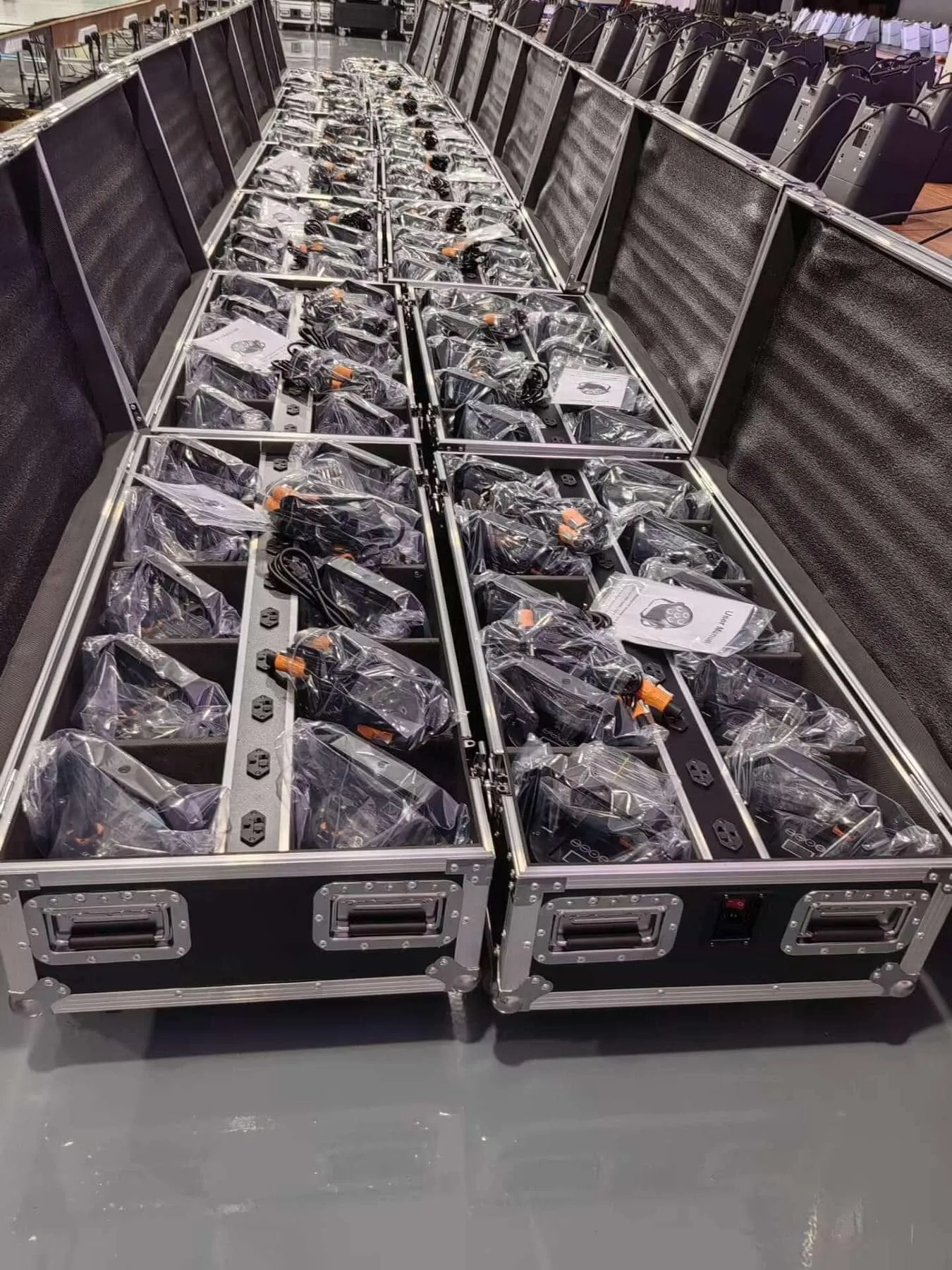
Importers should treat private-label battery uplight packaging as a controlled product specification, not a final logo request. Define the branding method; product, battery, charger, carton, manual, and identifier fields; barcode ownership; internal protection; accessory packing; and destination responsibilities. Approve the physical product, artwork files, label proofs, packaging sample, and golden reference before production. Then link every approved revision to the purchase order, inspection criteria, and batch record so the shipped configuration can be checked against one source.
Private Label, OEM, and ODM Are Different Scopes
The first decision is the project scope. “Private label,” “OEM,” and “ODM” are often used interchangeably, but they create different approval work.
Swipe horizontally to compare the three project scopes.
| Scope | Product starting point | Typical controlled changes | Buyer should define before quotation |
|---|---|---|---|
| Private label | An existing approved model | Logo, label, manual, package artwork, included items | Target SKU, market, channel, brand files, packaging level, language, identifiers |
| OEM configuration | An existing platform with agreed changes | LED, battery, control, housing finish, accessories, branding, packaging | Complete configuration delta, validation needs, sample plan, documents |
| ODM development | A new or materially redesigned product | Engineering, tooling, hardware, software, enclosure, validation, production records | Product requirement, development stages, ownership, budget, validation and launch plan |
Private Label on an Existing Model
A private-label project normally keeps the technical configuration controlled while changing how the product is presented and identified. Before artwork starts, select the reference model from the current LumiUp product range and list every branded item: fixture, rating label, charger, base, case, box, carton, manual, accessory bag, or spare part. Fixture-logo approval does not approve those other items.
OEM Configuration Changes
An OEM project goes beyond artwork when it changes the LED, battery, control, enclosure, finish, plug, charger, accessories, or packing method. Record each change against the approved base model so linked images, specifications, instructions, labels, and packing details change together. The Aqua P4RX removable-battery model is one configuration example; it does not prove that every customization applies to every product.
ODM Product Development
ODM work requires a development plan. Lock product engineering and approval stages before building labels and packaging from the released configuration. The LumiUp OEM/ODM approval workflow provides the commercial handoff for a model-specific review.
Define Logo and Brand Placement
A usable branding specification defines placement, dimensions, application method, color reference, orientation, and approval proof. LumiUp can review silkscreen and laser application subject to the model, material, surface, size, contrast, and artwork. Record the exact application in the quotation and sample record.
Silkscreen and Laser Application
Silkscreen and laser marking behave differently across painted metal, molded parts, labels, and textured surfaces. The buyer should supply vector artwork and define:
- Exact placement and maximum dimensions
- Orientation when the fixture is standing, hanging, or packed
- Brand color reference and acceptable contrast
- Positive or reversed artwork version
- Clear space around vents, fasteners, displays, controls, and rating information
- Approved proof and the physical sample used for comparison
Review the logo on the proposed surface, not only in a screen mockup. Reapprove it if the housing finish changes.
Keep Product Identity Legible
Branding must not hide the product identity, electrical information, battery information, warnings, responsible-party details, or destination markings that apply to the order. Create separate artwork zones for marketing identity and controlled product data.
Keep the same model name on the fixture, pack, charger or base, manual, box, carton, barcode record, and inspection sheet.
Product Labels: Model, Serial, Batch, and Electrical Data
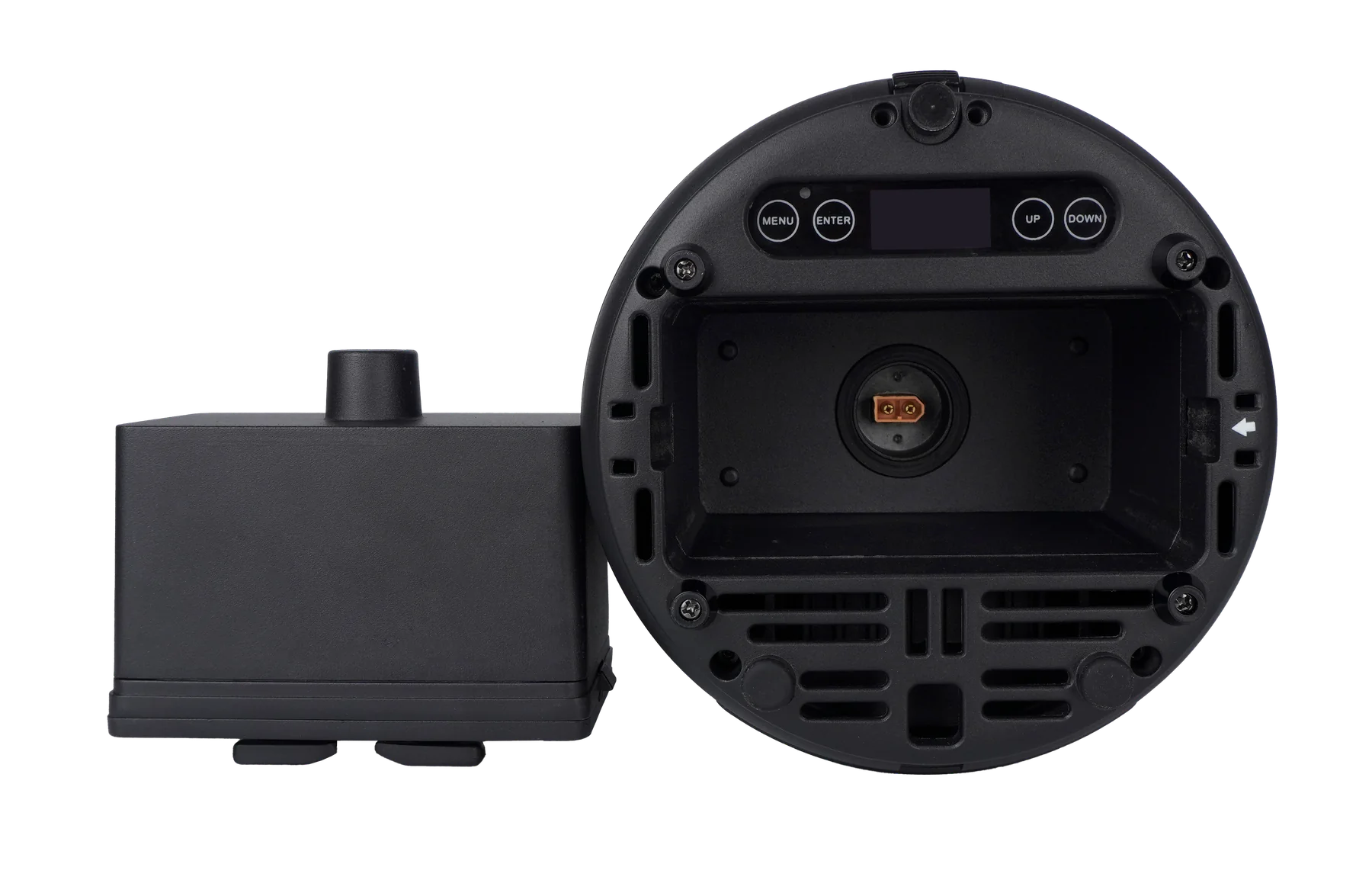
Build one project-specific matrix instead of one universal sticker. Each row below is a field set the buyer should define or the project parties should confirm; it is not a promise that LumiUp supplies a database, compliance review, barcode service, package test, or scan report by default.
Swipe horizontally to review fields for each item.
| Layer/item | Required fields | Artwork/data owner | Approval reference | Revision control | Inspection method |
|---|---|---|---|---|---|
| Fixture branding | Position, dimensions, application method, color, contrast, orientation | Buyer/factory to confirm | Approved artwork and physical sample | Controlled file version linked to the PO | Agreed visual and dimensional verification method |
| Product rating label | Brand, model/SKU, electrical and battery data, warnings, responsible party and marks as applicable | Compliance owner to confirm | Approved label proof; project-specific evidence required | Released label version linked to configuration and PO | Agreed text, format, placement and adhesion checks |
| Serial/batch label | Identifier type, format, uniqueness rule, location, PO/batch link | Buyer/factory to confirm data ownership | Approved sample record; project-specific evidence required | Identifier rule and file revision linked to the batch | Agreed verification method; database output excluded unless separately agreed |
| Battery or removable-pack label | Pack identity, chemistry/energy data and destination fields as applicable | Compliance owner to confirm | Approved battery source and configuration review | Label revision linked to the approved pack | Agreed document-to-label match |
| Charger or powered-base label | Model, input/output, compatible fixture, warnings and responsible party as applicable | Compliance owner to confirm | Approved accessory specification and label proof | Label revision linked to accessory configuration | Agreed functional and visual match |
| Inner/color box | Product identity, image, quantity, included items, claims, handling/user text, language | Buyer/factory to confirm | Approved print proof or physical mockup | Artwork revision linked to the sales unit | Agreed print, color, text and contents check |
| Master carton and shipping mark | Model/SKU, quantity, carton sequence, dimensions/weights, PO, destination, handling data | Buyer/importer/factory to confirm | Approved shipping mark and packed configuration | Released mark revision linked to PO | Agreed carton and packing-list audit |
| Manual | Language, model scope, safety, operation, charging, warranty/contact text, responsible parties | Technical, legal and compliance owners to confirm | Approved PDF and physical sample | Manual revision linked to model, PO and batch | Agreed content and revision check |
| Barcode/customer code | Code type, verified number, data owner, packaging level, human-readable text, print specification | Buyer or Brand Owner to confirm allocation rights | Verified code list; project-specific evidence required | Code file revision linked to SKU and package level | Agreed scan verification method; scan report excluded unless separately agreed |
| Accessories/spares | Part number, quantity, compatible model/revision, included-item status, label and protection | Buyer/factory to confirm | Approved packing list and sample | Packing-list revision linked to PO | Agreed count, identity and compatibility check |
Serial Number vs Batch Number
A serial number identifies one unit. A batch or lot number groups units made under a defined production record. Importers should decide whether they need unit-level history, batch-level history, or both.
Specify the format, uniqueness rule, location, data owner, file handoff, and link to the PO or revision. A printed identifier does not automatically create database traceability; state how it will be generated, checked, recorded, and delivered.
Color Box, Master Carton, and Shipping Marks
Private-label packaging usually has at least three information layers. Each layer has a different job.
Retail or Inner Box
The inner box presents and protects the sales unit. Define the image, model, quantity, included items, claims, handling text, and language from the approved model record. Artwork must not introduce a different LED count, runtime, IP rating, control option, charger, or accessory. Decide whether the project needs a controlled-label neutral carton or printed color box before requesting dielines.
Master Carton and Shipping Mark
For warehouse receiving and transport, specify SKU, quantity, carton sequence, PO, destination, gross/net weight, dimensions, handling information, and shipping mark. Take weights and dimensions from the approved packed configuration; a charger or accessory change can alter them.
Manual Language and Version Control
The manual is a controlled product file. State the model and configuration, language, operation and charging information, safety text, warranty/contact content, responsible parties, revision, and approval owner. A register should link the approved print PDF and physical sample to the filename, release date, model, language, approver, and PO or batch.
Barcode, GTIN/EAN/UPC, and Customer Codes
First identify what the code represents. A GTIN identifies a trade item, while an internal customer code may identify a warehouse SKU, project, carton, or asset. They are not interchangeable.
GS1 explains that a GTIN identifies a predefined trade item and that the Brand Owner—the organization that owns the trade-item specifications—is normally responsible for allocating it, regardless of where or by whom the item is manufactured. The buyer or Brand Owner should provide the verified number and confirm its allocation rights. A factory must not invent, reuse, or assume ownership of a customer’s GTIN.
The packaging specification should state:
- Code type and data owner
- Human-readable number
- Product or packaging level carrying the code
- Artwork dimensions, quiet zone, orientation, and print contrast
- Source file and approved code list
- Scan-verification method and receiving-system test
Barcode printing, serialization, database output, scan verification, and data delivery are separate project-specific matters. Define each required service and evidence item in the quotation and project scope; artwork alone does not prove correct data, ownership, or scan performance.
Internal Protection and Transit Configuration
Protect lens surfaces, brackets, controls, displays, charging contacts, connectors, coating, removable packs, and accessories. The packing drawing should show orientation, material, clearance, bagging, separation, and removal sequence. Battery shipping also requires accidental-activation and contact protection appropriate to the exact configuration and route.
Charger, Accessory, and Spare-Part Packing
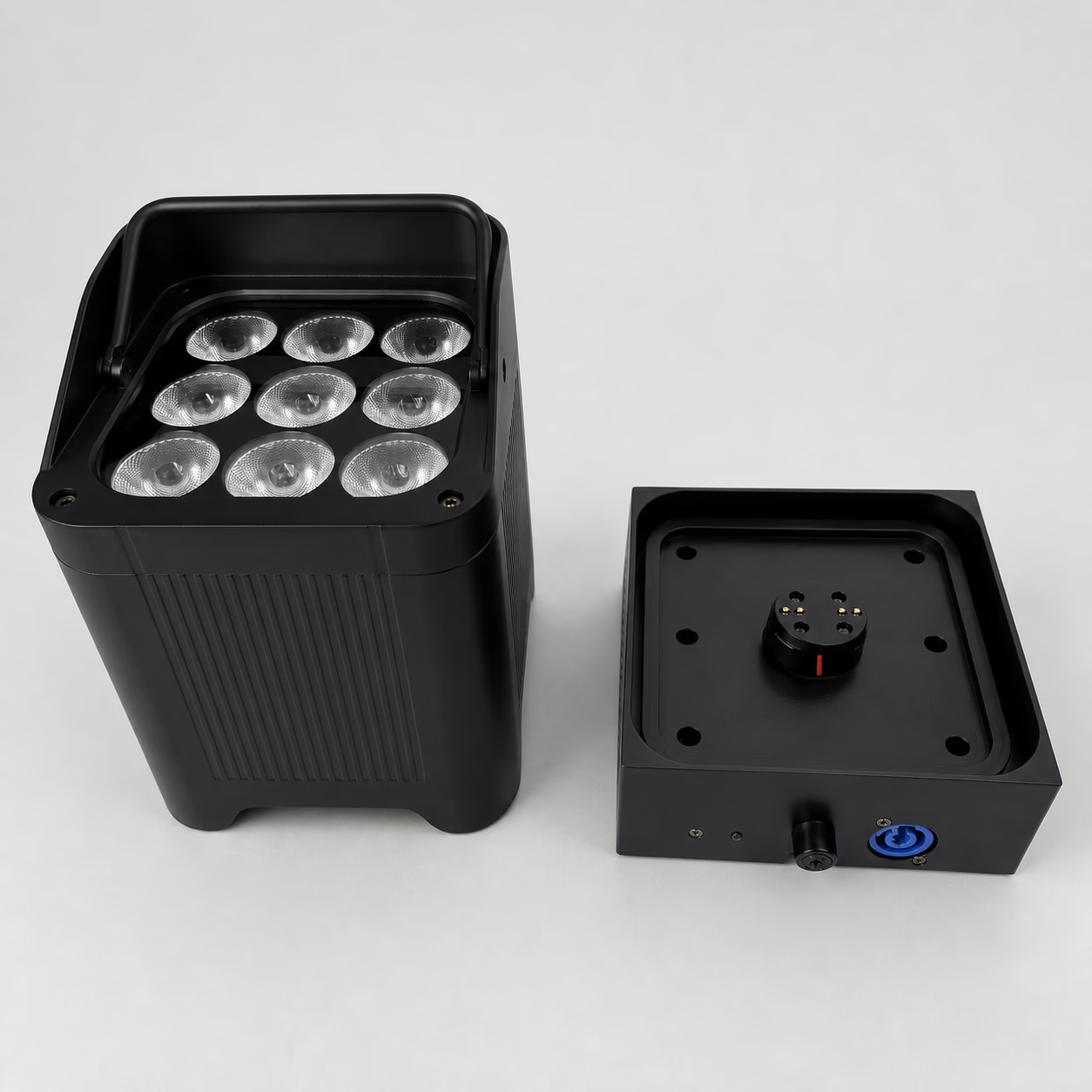
List every included item by part number and quantity and give it a fixed position and protection method. If included, the Aqua P9X charging-base accessory should be named consistently in the quotation, manual, accessory list, carton position, and receiving inspection. Box images must not imply an optional item is included.
Compliance Labels and Document Confirmation
Requirements must be assessed by battery category, product configuration, placement-on-market date, destination market, sales channel, shipment configuration, and responsible parties. Do not create a “global” label by collecting familiar marks.
For EU-bound projects, the importer and its compliance owner should review the current consolidated EU Batteries Regulation. Its requirements are phased and their applicability depends on the battery category, product configuration, placement date, destination market, and responsible party. Citing the regulation does not establish that any LumiUp product complies with it.
For transport, the 2026 IATA Battery Guidance Document distinguishes batteries contained in equipment from batteries packed with equipment and says the guidance is not itself a source of regulatory compliance. The UNECE resources provide the UN 38.3 test framework.
Ask the importer, compliance adviser, freight partner, and manufacturer to confirm which label fields and documents apply to the exact configuration. The approval record should identify who made each decision.
Pre-Production Sample Approval
LumiUp can supply one existing standard unit for customer testing. A customized pre-production sample instead verifies the logo, label, finish, manual, included items, and packaging; define its scope, cost, timing, and order conditions in the quotation.
Golden Sample
A golden sample is the controlled physical and document reference for production and inspection. Define its configuration, finish, logo, labels, battery/charger pairing, accessories, manual, protection, packaging, approver, date, storage, and linked PO or revision. A rendering alone is not a golden sample.
Artwork Approval Workflow
Use a versioned register recording each item, source filename, output PDF, dimensions, color, fonts or outlined text, barcode data, revision, date, and approver.
Review artwork in this sequence:
- Confirm the released product configuration and label fields.
- Prepare the dieline, artwork, manual, and code files.
- Check spelling, model identity, specifications, warnings, languages, dimensions, and included items.
- Approve digital proofs.
- Approve physical print or label samples where required.
- Link the final files and physical reference to the production PO.
Batch Handoff and Change Control
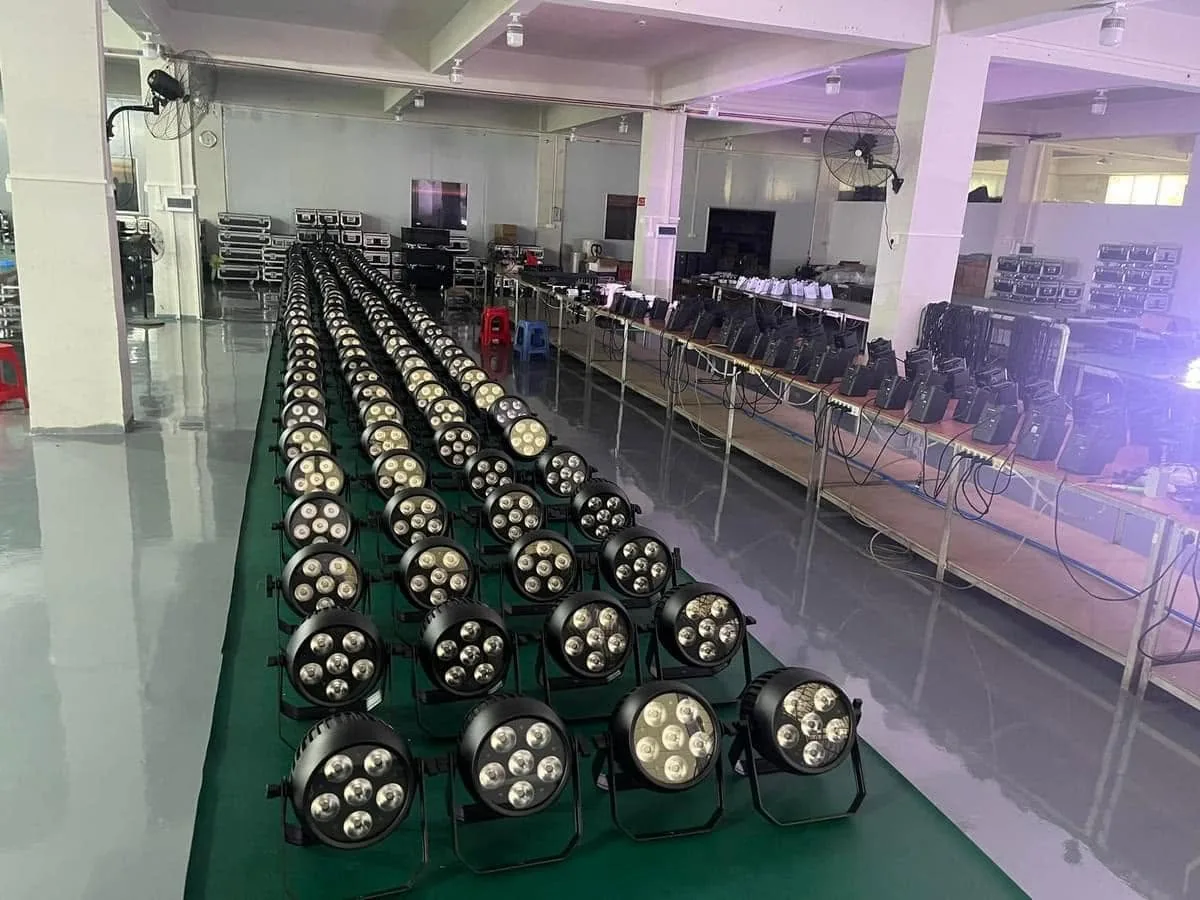
Production should receive one released file set and approval record. For changes, record the reason, affected items, revision, approver, and effective batch, then recheck every linked file.
Use model-specific quality and document records to keep the product, sample, approved files, packing details, and inspection points aligned.
Importer Packaging Specification Checklist
Attach the following fields to the RFQ, sample order, production PO, and inspection plan:
- Project scope, target model/SKU, destination, sales channel, languages, and compliance owner
- Approved technical configuration, housing finish, included accessories, destination plug, and spare parts
- Logo artwork, location, dimensions, method, color, orientation, and physical approval reference
- Fixture, battery/pack, charger/base, accessory, serial/batch, responsible-party, and applicable label fields
- Inner-box style, material, print, claims, included-items list, and artwork revision
- Master-carton material, quantity, dimensions, weights, carton sequence, PO, destination, and shipping mark
- Internal protection, bagging, part separation, contact protection, and unpacking order
- Manual language, model scope, safety and charging content, revision, and approver
- GTIN/EAN/UPC/customer-code owner, packaging level, source number, artwork, and scan check
- Required package or transport evidence for the actual route and battery configuration
- Product sample, label proof, print proof, package mockup, golden sample, and approval dates
- Source files, output files, naming convention, revision register, and change-control process
- Pre-shipment checks for identity, artwork, print, labels, codes, manuals, accessories, protection, carton data, and shipping marks
This checklist complements manufacturer evaluation before a bulk order. It does not replace sample testing, factory due diligence, or a destination-specific compliance review.
Frequently Asked Questions
What is the difference between private label, OEM, and ODM battery uplights?
Private label usually applies a buyer’s brand and approved presentation to an existing model. OEM may change an existing product configuration as well as its branding and packaging. ODM involves a new or materially redesigned product and therefore needs a separate engineering, validation, ownership, and approval plan.
Can LumiUp apply a customer logo to an existing battery uplight?
LumiUp can review silkscreen or laser logo application for an existing model. The available surface, position, size, contrast, artwork, sample, commercial terms, and production scope must be agreed for that model before artwork is released.
Can an importer order one sample before a production order?
LumiUp can supply one existing standard-product unit for customer testing. A fully customized pre-production sample is a separate project stage; its branding, package, cost, timing, order quantity, and approval scope should be defined in the quotation.
What information should appear on a battery uplight product label?
The label specification may include brand, model/SKU, electrical and battery data, warnings, responsible-party information, identifiers, and destination markings that apply to the exact configuration. The importer and its compliance adviser should confirm the required fields for the market and placement date.
Who should provide the EAN, UPC, or GTIN barcode?
According to GS1, the Brand Owner that owns the trade-item specifications is normally responsible for allocating the GTIN, regardless of where or by whom the product is manufactured. The buyer or Brand Owner should provide the verified number, confirm its allocation rights, and define the packaging level, artwork, and human-readable text. Factory printing, serialization, database output, scan verification, and data delivery must be confirmed separately in the project scope.
How should manuals be controlled for private-label orders?
Control manuals by model scope, language, technical and safety content, revision, release date, approver, and related PO or batch. The approved PDF, printed sample, product label, accessory list, and packaged configuration should all describe the same released product.
What is a golden sample for a private-label lighting order?
A golden sample is the approved physical and document reference for production and inspection. It can include the product configuration, finish, logo, labels, charger, accessories, manual revision, protective packing, and package presentation, with an approval date and linked PO or revision.
Which packaging details should be checked before shipment?
Check product identity, artwork revision, print and color, labels, identifiers, manuals, accessories, protective materials, inner-box contents, master-carton quantity, dimensions and weights, barcode data and scan result, shipping marks, and the match to the approved sample and purchase specification.
Send the Packaging Specification Before Artwork Starts
Share the target model, market, sample and order quantities, logo files, packaging level, manual languages, barcode owner, required identifiers, compliance responsibilities, and approval deadline. LumiUp can review the model-specific artwork and packing scope before production.