Practical guidance on rechargeable LED stage lights, battery uplights, wireless DMX, runtime, charging, IP ratings and professional event-lighting applications.
Find a battery lighting guide
29 published guides
Featured
Start with these guides
Practical decision support for specification, fleet planning, and demanding operating environments.
Move from product selection to operation with focused technical guidance.
7 guides
Selection Guides
Compare fixture formats, supplier evidence, samples, quality checks, and order requirements before narrowing a professional battery-lighting specification. Use model-level evidence when requirements change across venues, projects, and production batches.
3 guides
Technical Guide
Interpret color, optics, photometric, camera, control, and maintenance evidence without reducing a professional fixture decision to one headline specification. Use traceable reports and representative sample tests to connect metrics to the intended production environment.
5 guides
Battery & Charging
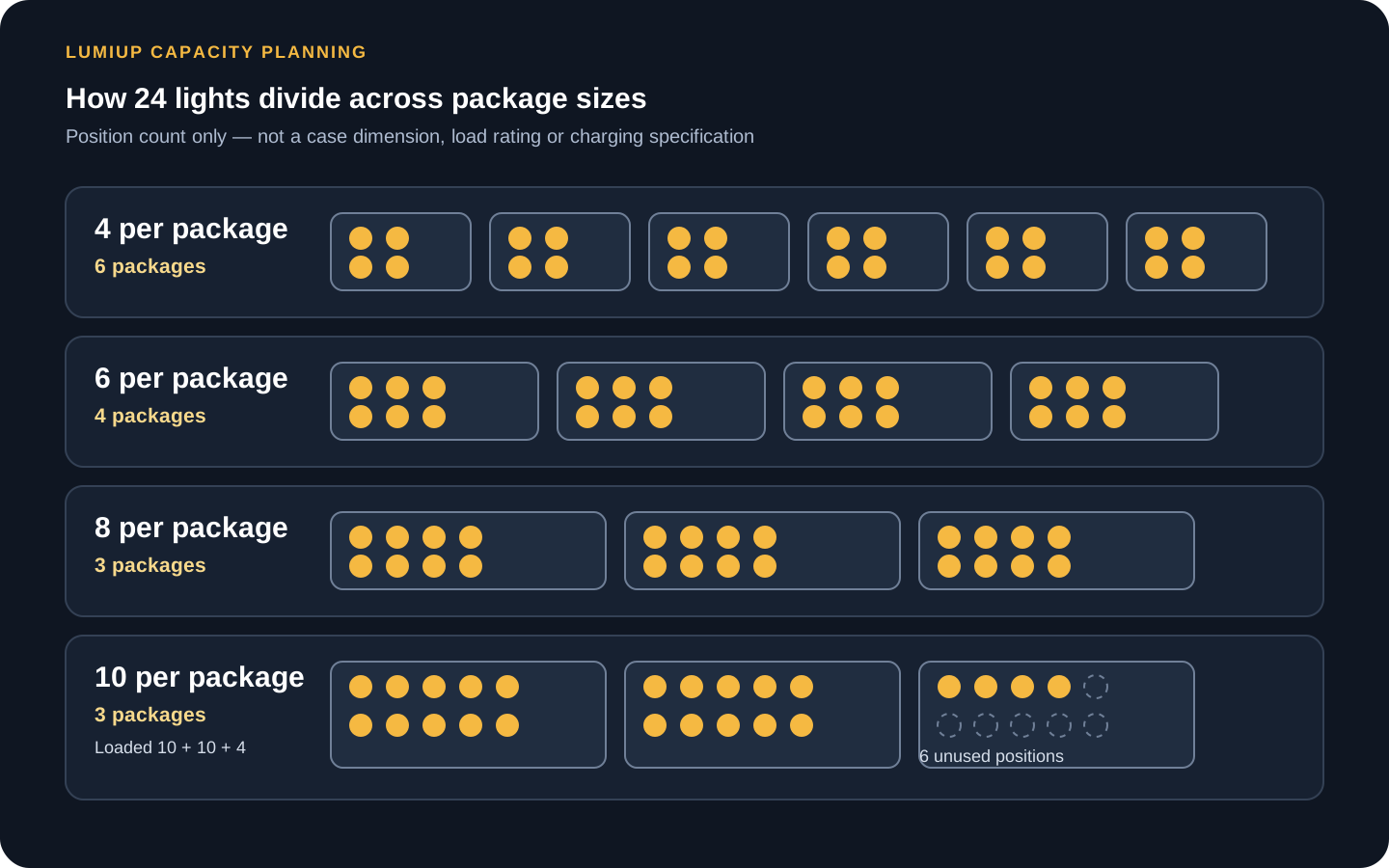
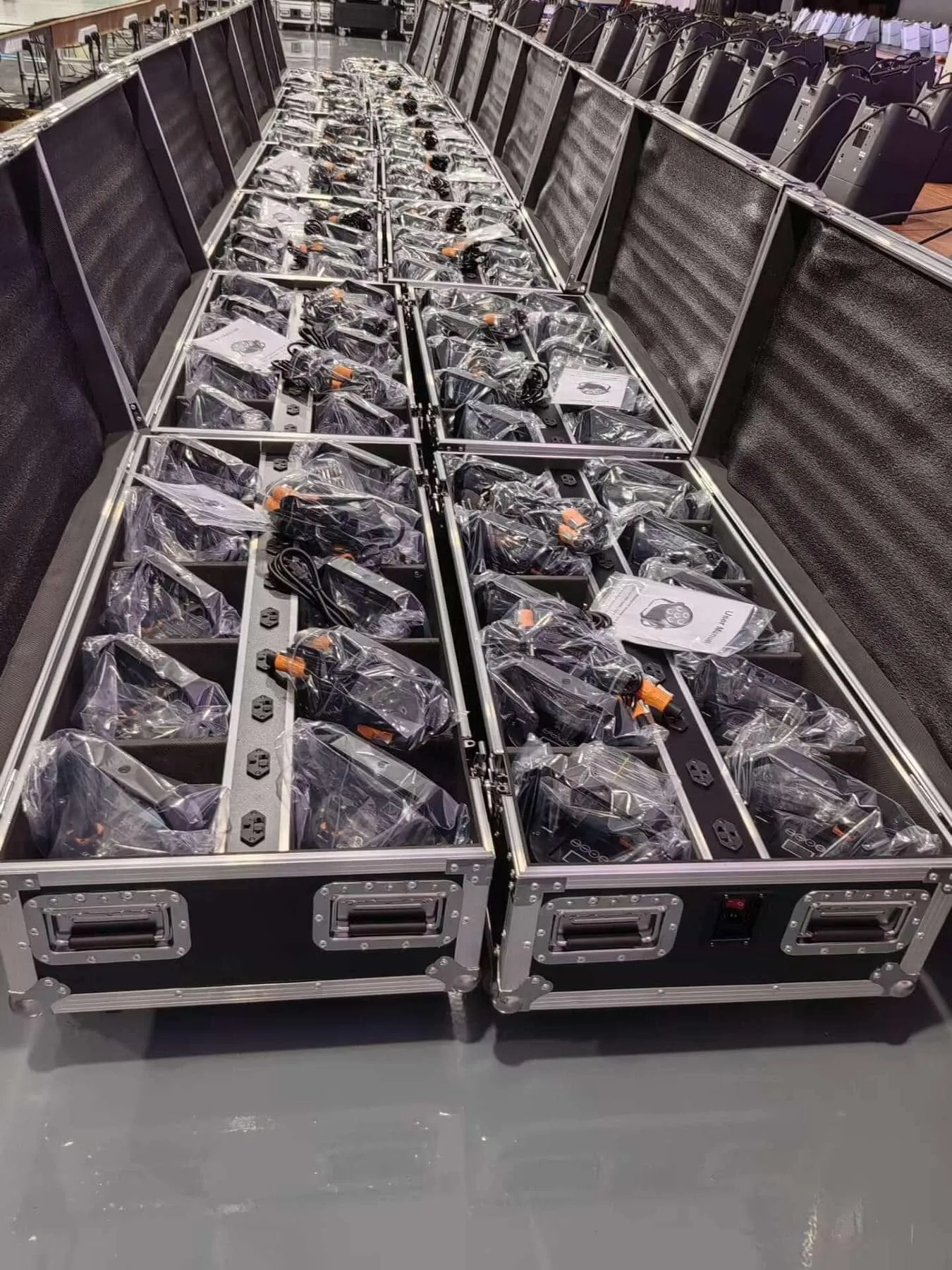
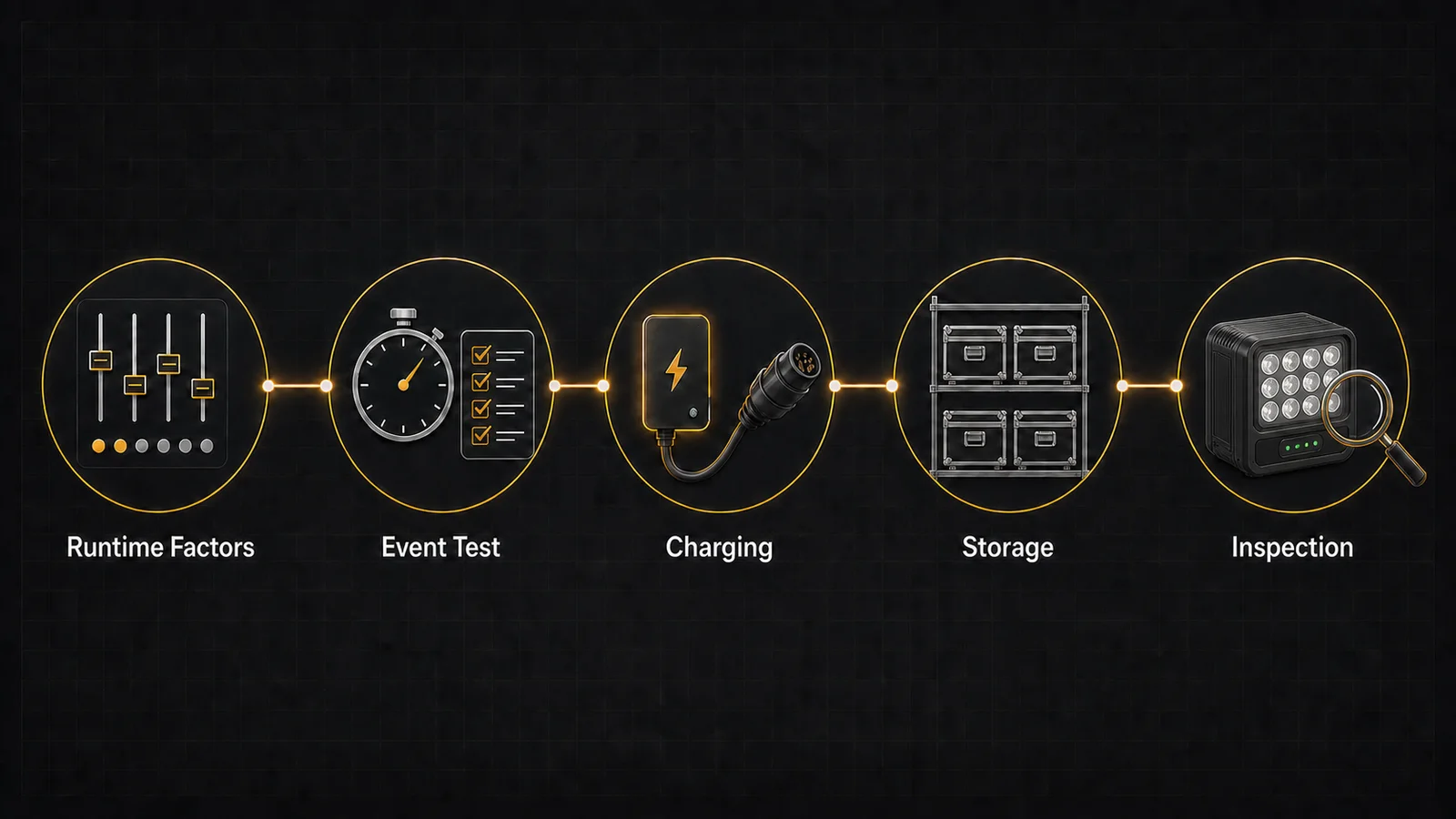
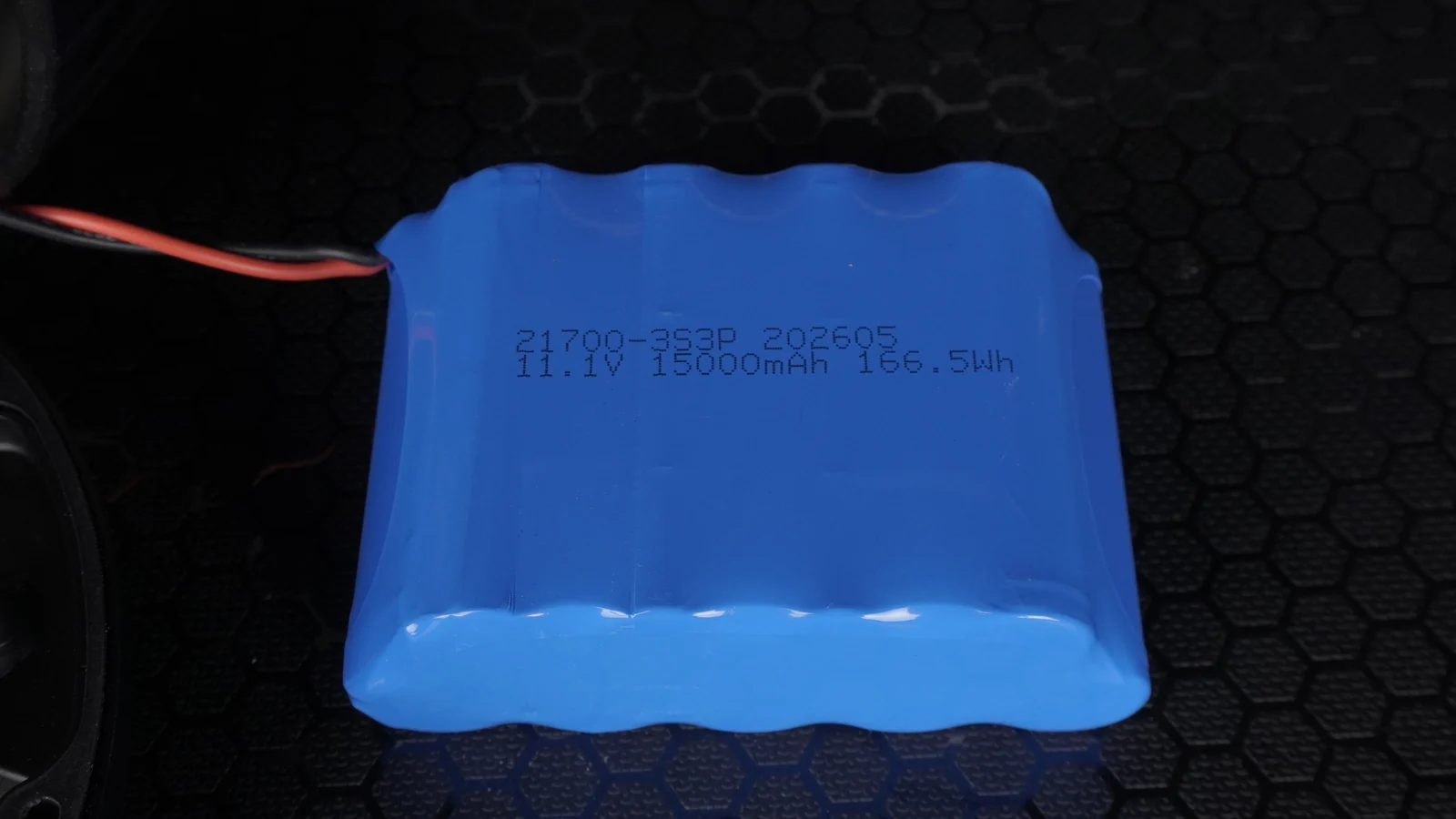
Understand runtime test conditions, battery care, charging workflows, fleet turnaround, storage, and the practical reserve needed for live schedules. Connect those figures to circuit capacity, case design, crew time, and storage practice.
4 guides
Wireless DMX & Control
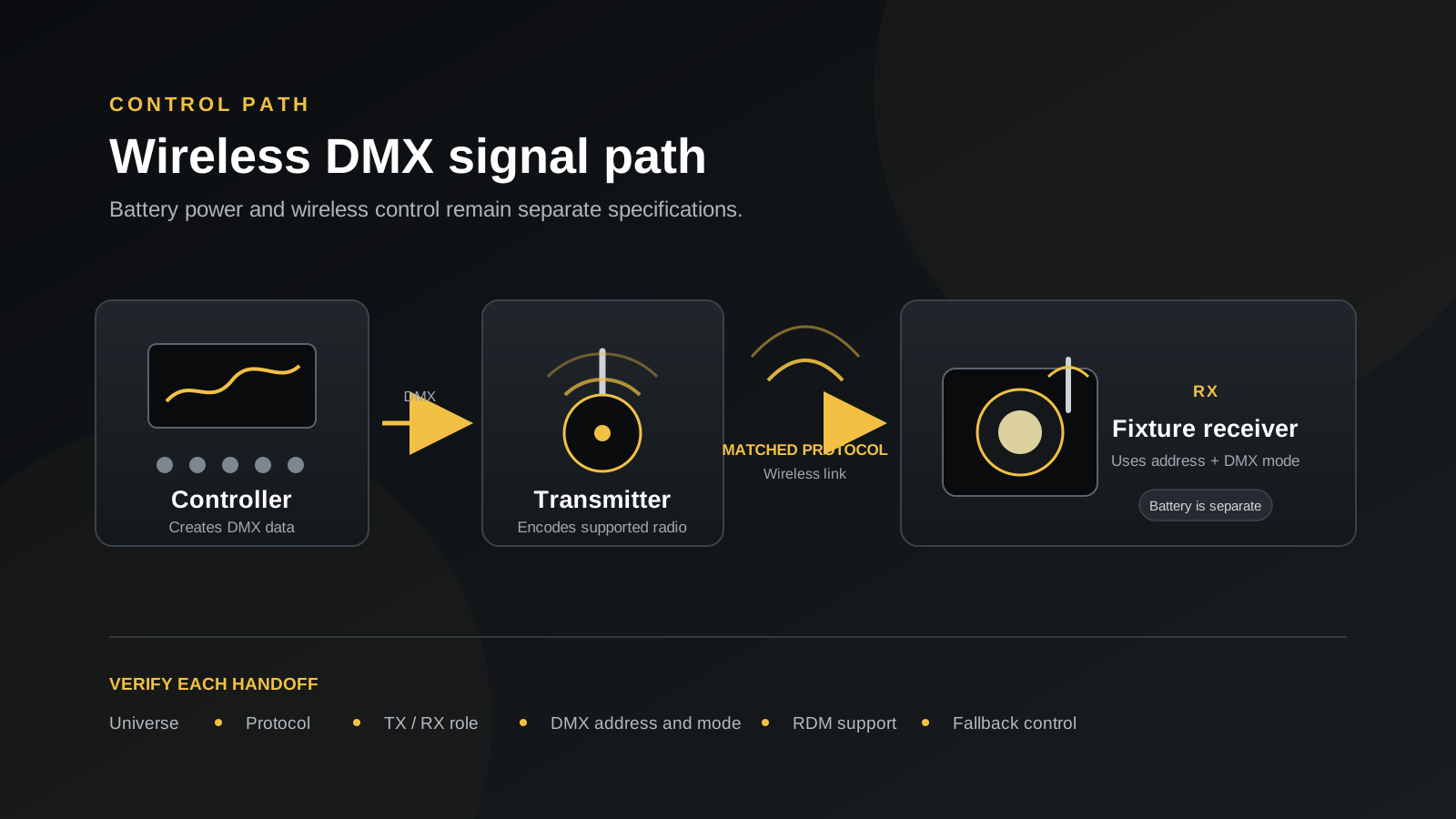
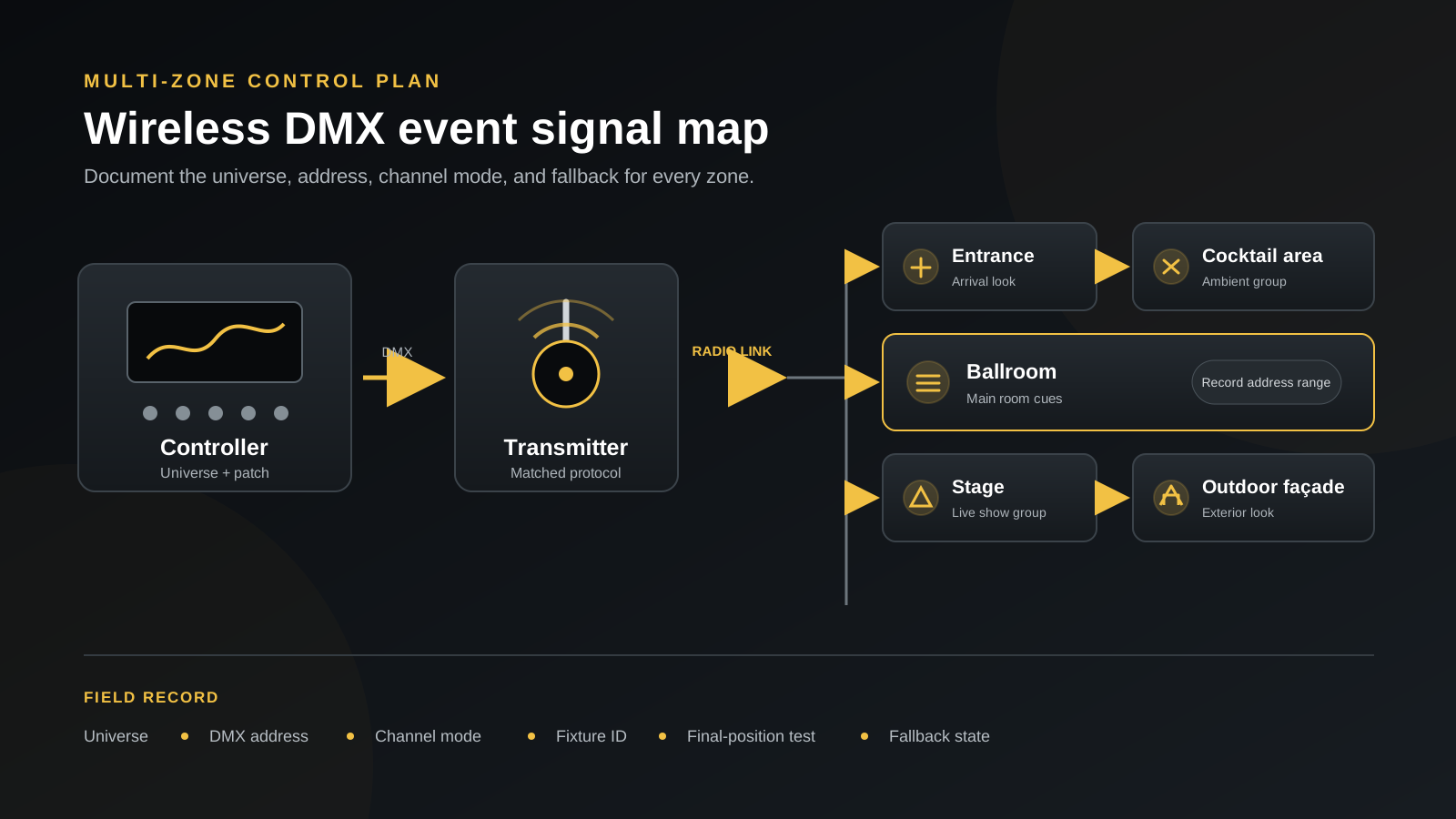
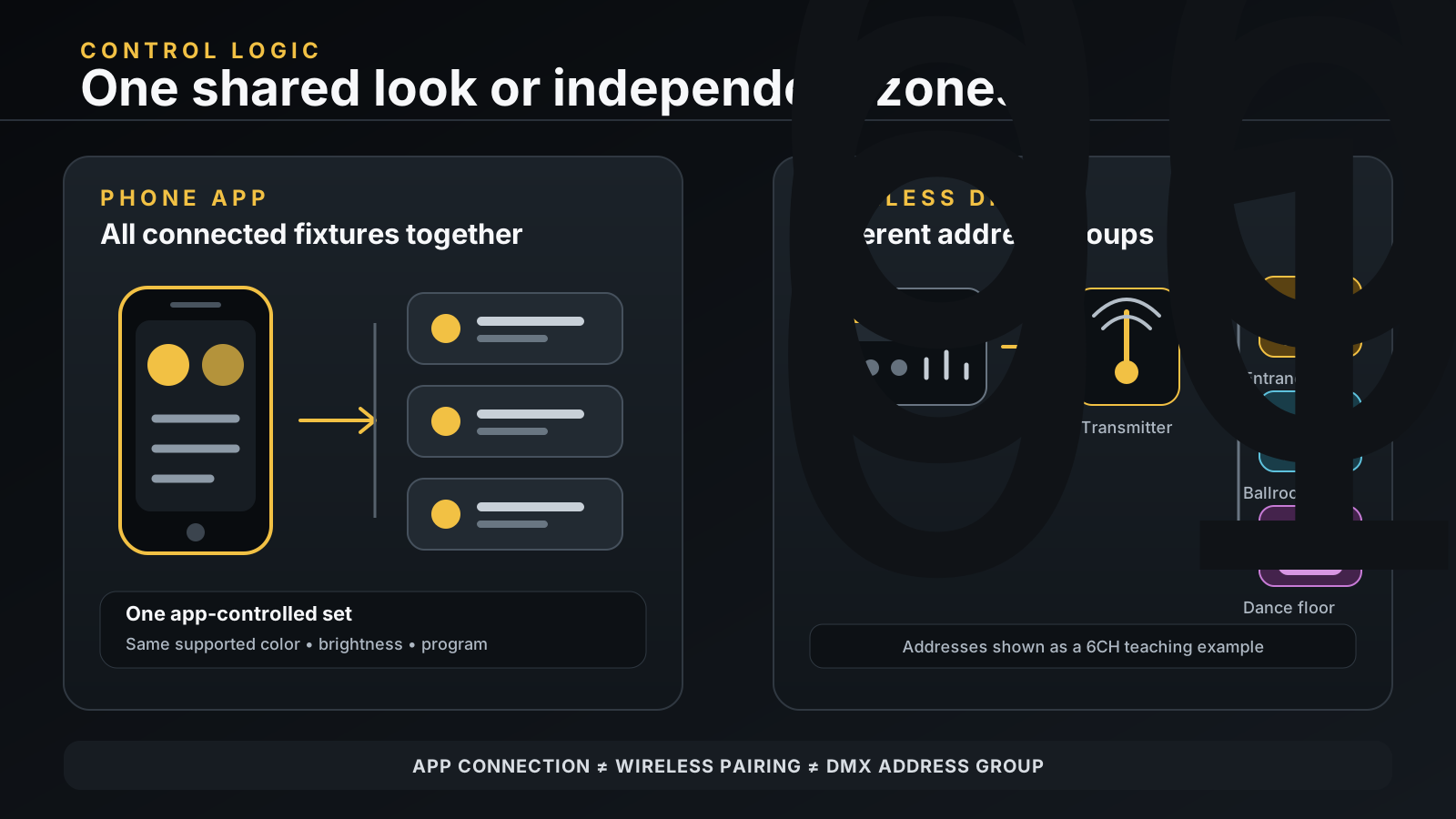
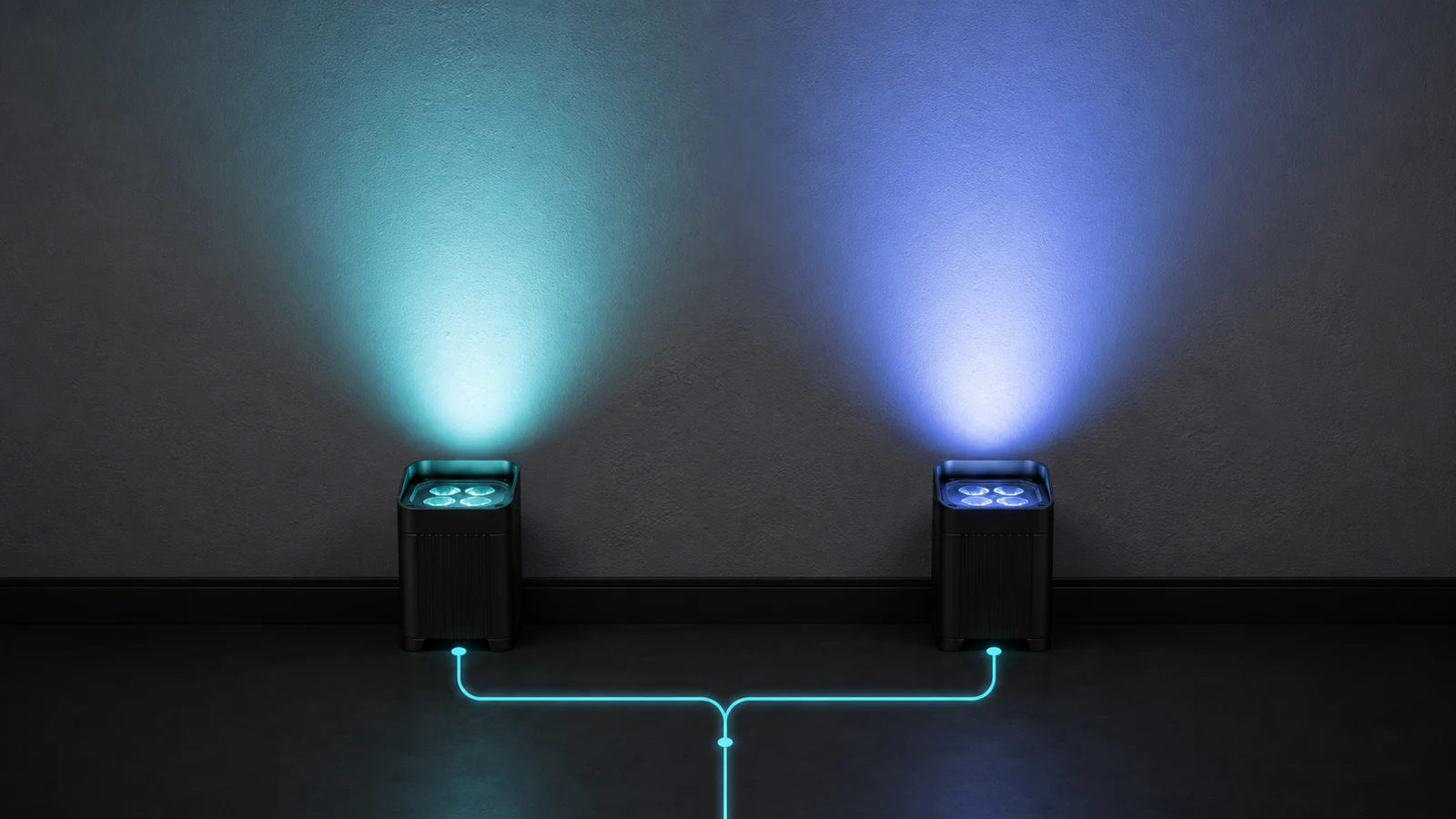
Plan control protocols, transmitter compatibility, DMX modes, signal paths, fallback operation, and dependable coordination across multiple lighting zones. Separate wireless data capability from battery operation, because the two features do not always appear together.
1 guide
Outdoor & IP Ratings
Interpret IP ratings carefully and match enclosures, connectors, charging restrictions, placement, and operating conditions to temporary outdoor work. Review the exact model and operating instructions before assigning any fixture to weather-exposed work.
4 guides
Applications
Translate venue geometry, wall height, ambient light, visual rhythm, spacing, transport, and setup time into a workable event-lighting plan. Use representative tests to confirm quantity and coverage before a production schedule or rental package is fixed.
5 guides
Technical & Maintenance
Review photometrics, optics, dimming, PWM, service access, inspection routines, cleaning, storage, and maintenance evidence for long-term fleet operation. Build repeatable checks around the exact model, published specifications, and intended operating conditions.
Terminology and test conditions can change the meaning of a technical claim. These answers provide a practical starting point.
What is the difference between a battery PAR and an uplight?
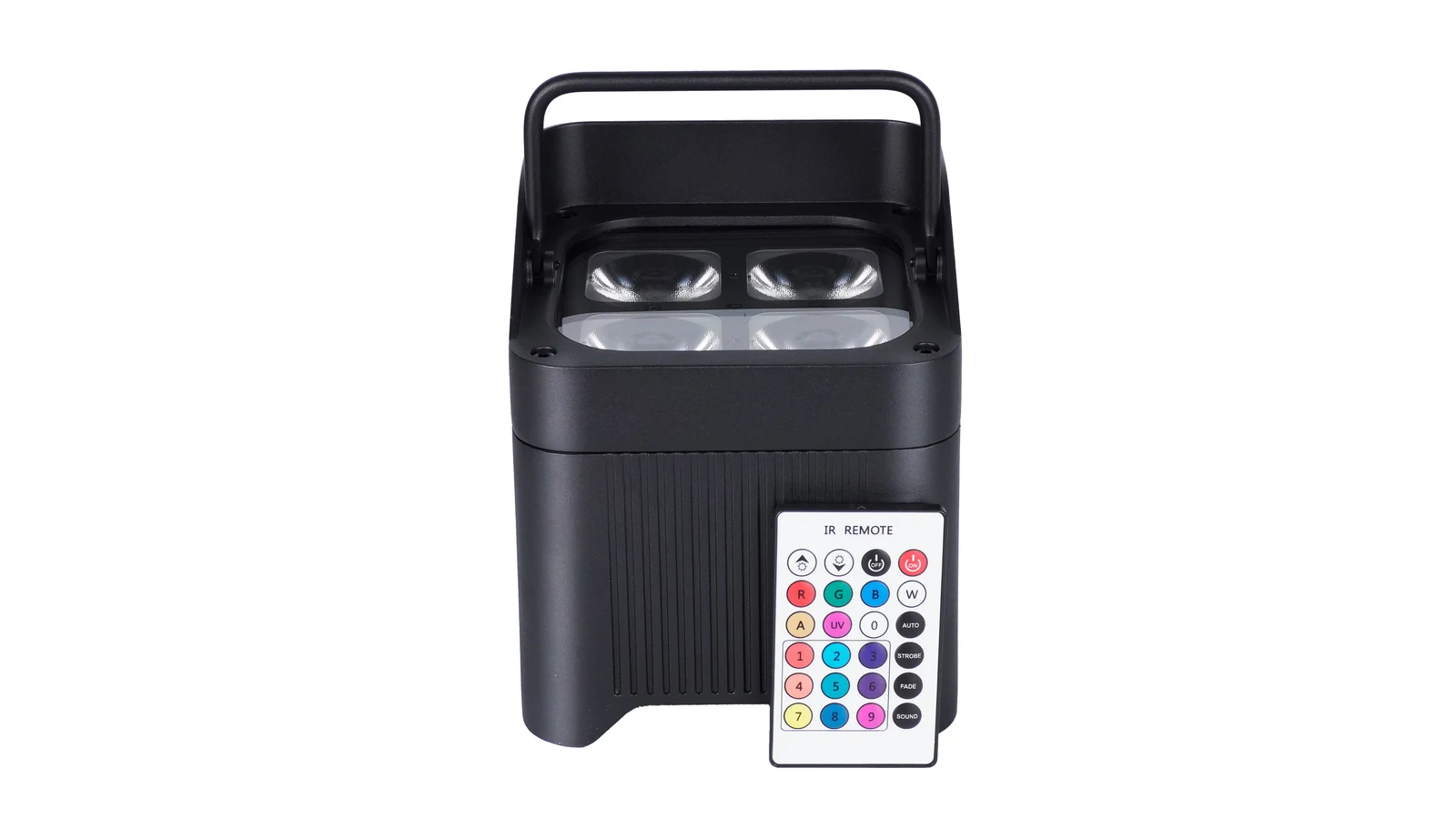
A battery PAR describes a fixture form, while an uplight describes how a fixture is used. A compact PAR can serve as an uplight when placed near a wall, but PAR fixtures may also be aimed, rigged, or used for stage wash. Compare beam shape, placement, output, and control needs instead of relying on the product name alone.
Does wireless uplighting always mean wireless DMX?
No. “Wireless uplighting” can refer to battery power, wireless data control, or both. A fixture may run without a power cable yet still require wired DMX, or it may support wireless DMX while using mains power. Confirm battery operation, supported control protocol, transmitter requirements, and fallback control for the exact model.
How should battery runtime be compared between fixtures?
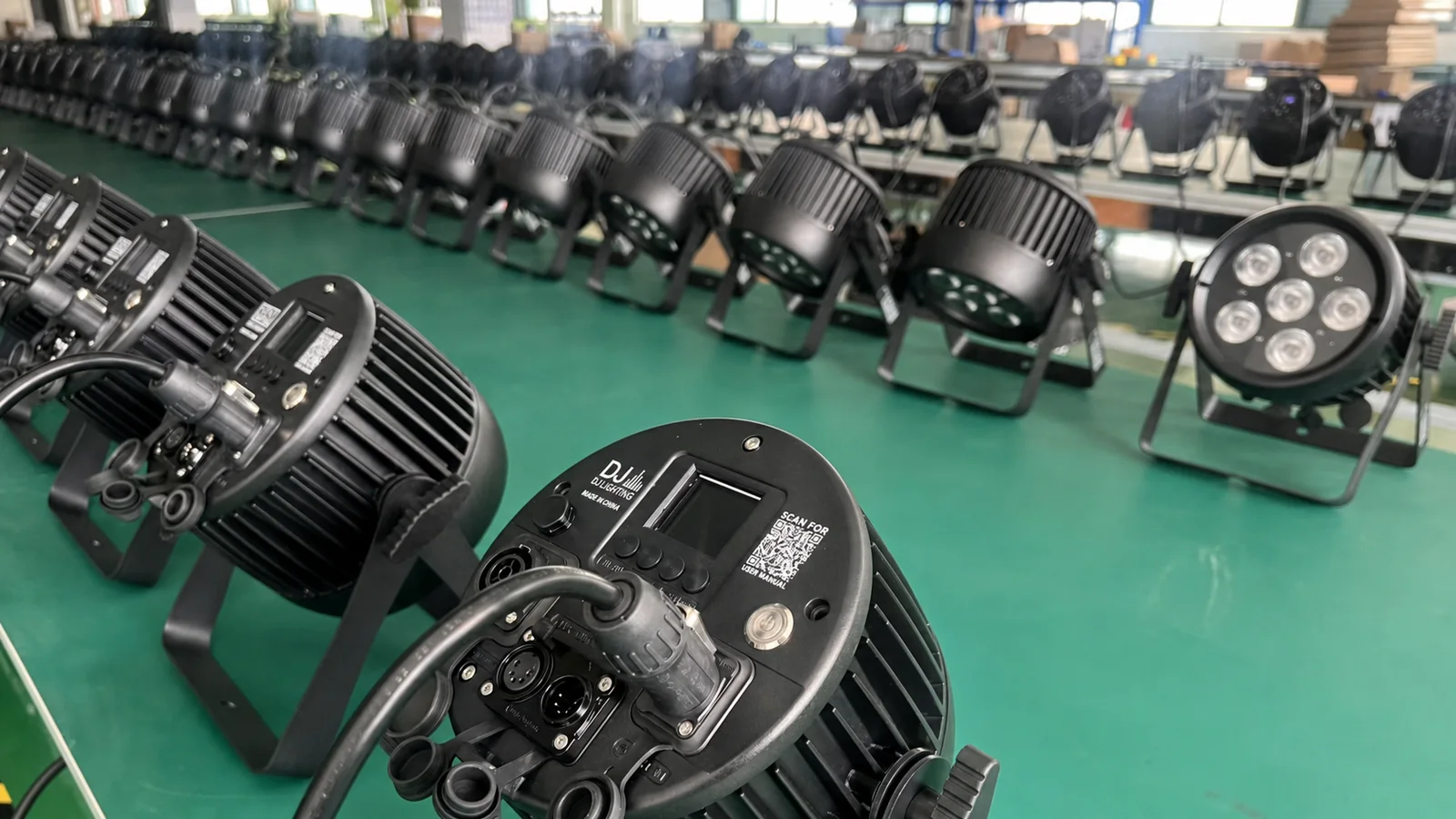
Compare runtime only when the test conditions match. Check which LED channels were active, dimmer level, programmed effects, ambient temperature, battery age, and the point at which the test ended. Full-output and single-color figures are not interchangeable, so confirm the exact model and operating mode and plan a practical reserve for setup and schedule changes.
What does an IP rating mean for rechargeable stage lights?
An IP rating describes tested resistance to solid-particle and water ingress under defined conditions. It does not mean a rechargeable fixture is safe for every outdoor situation, nor that open connectors or charging equipment have the same protection. Confirm the exact model, connector state, mounting position, charging restrictions, and manufacturer instructions before outdoor use.
Which specifications matter most when comparing battery uplights?
The most useful specifications connect the fixture to the intended application. Compare photometrics, beam and field angles, color system, dimming and PWM behavior, battery test conditions, charging workflow, control protocols, DMX modes, enclosure rating, dimensions, and serviceability for the exact product configuration. Similar-looking fixtures can perform differently.
How do beam angle and spacing affect uplighting coverage?
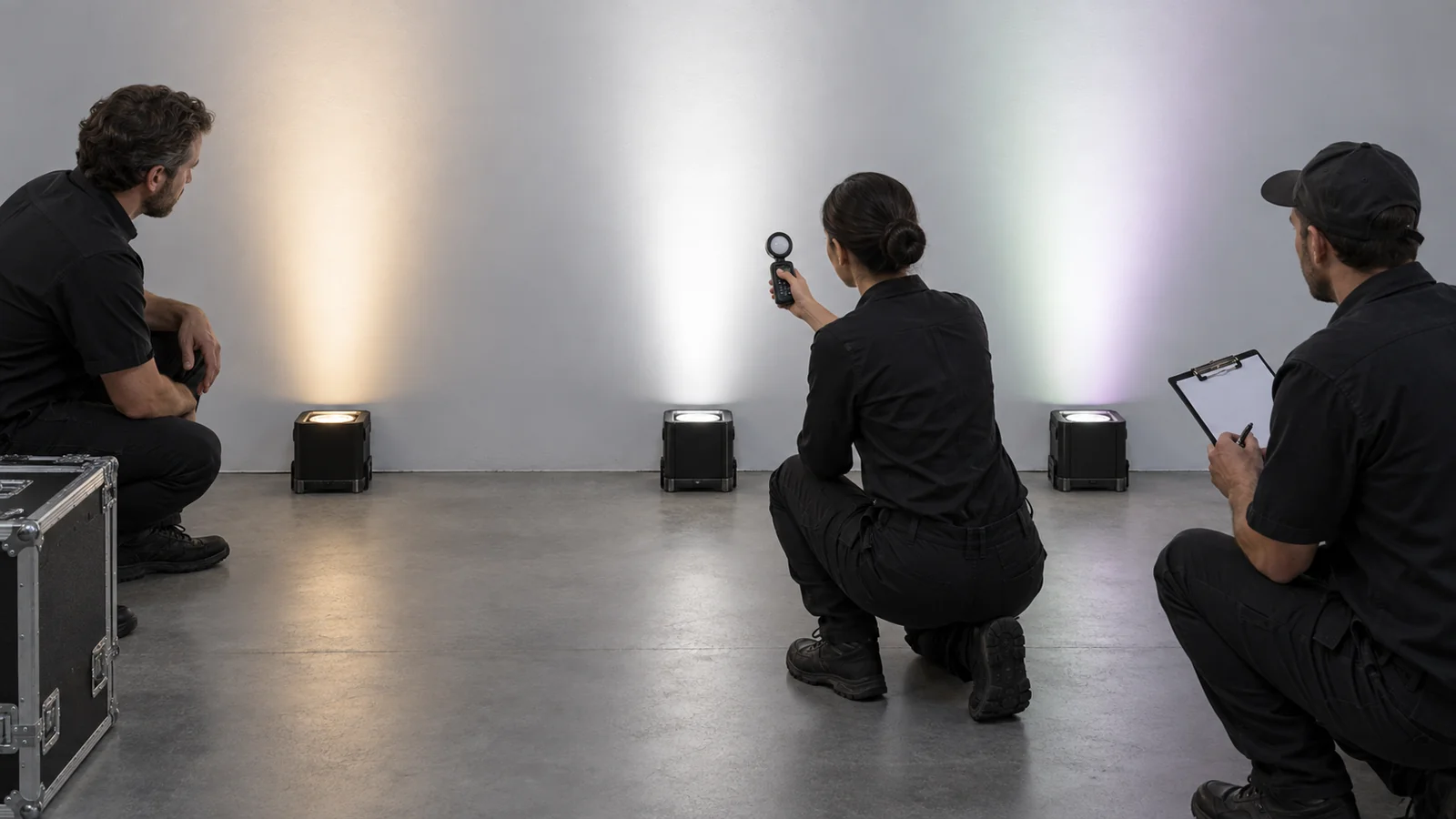
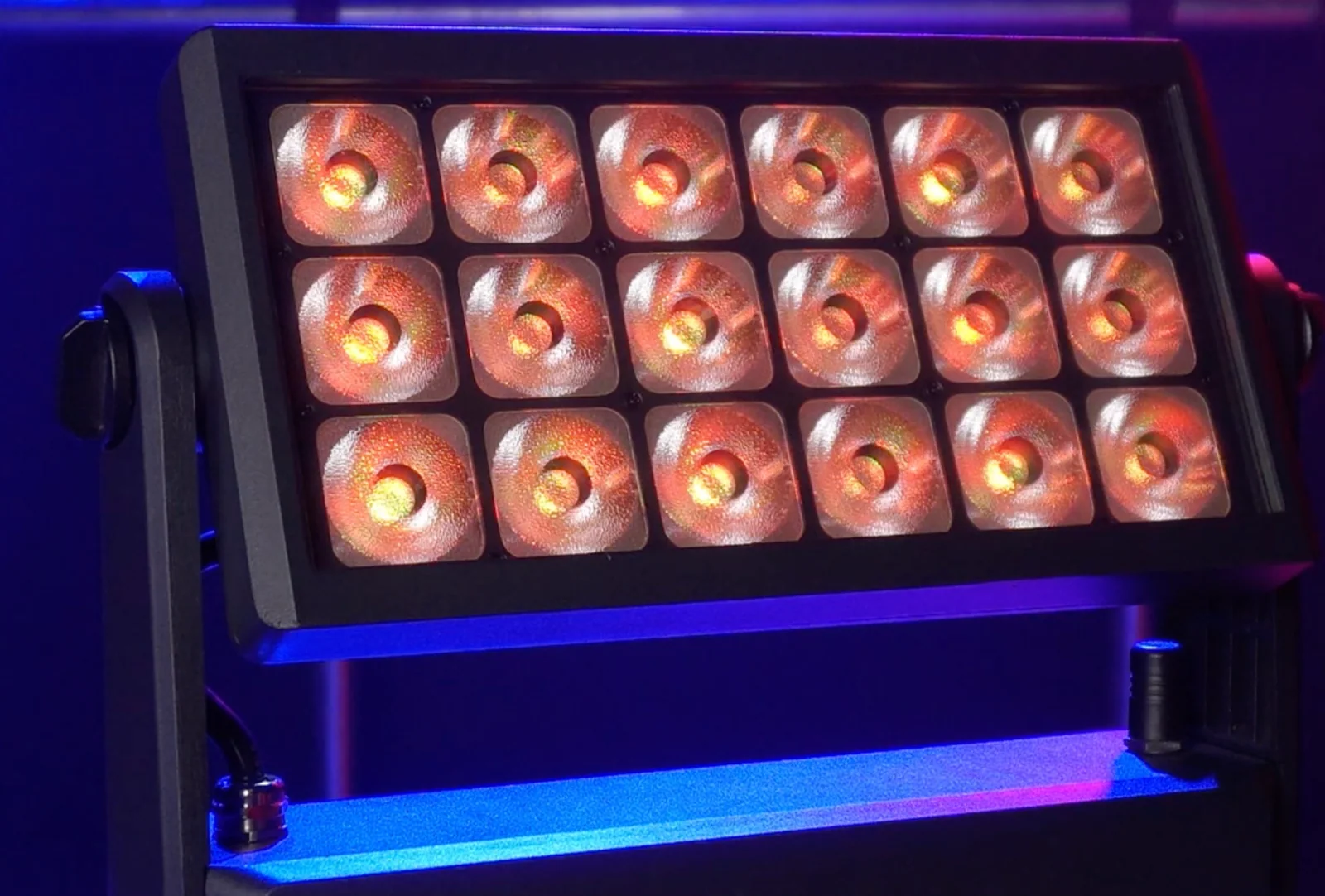
Beam angle controls how quickly light spreads, while fixture spacing determines overlap and visual rhythm. Narrow beams can create stronger columns and visible gaps; wider beams can produce broader coverage at shorter throw distances. Wall height, surface color, ambient light, and fixture distance also matter, so test the proposed layout in representative conditions before fixing the quantity.
Rechargeable stage lighting combines optics, batteries, charging, wireless control, enclosure design, and event workflow. Useful guidance connects those systems to a defined venue and operating plan instead of treating one headline specification as the whole answer. The objective is a repeatable system the crew can set up, monitor, recover, and maintain. That means documenting planning inputs, testing with representative settings, and keeping control and charging decisions close to the fixture model and event schedule. Where information is incomplete, record the question and confirm it before the quantity, case layout, or workflow is finalized.
Selecting Rechargeable Stage Lights
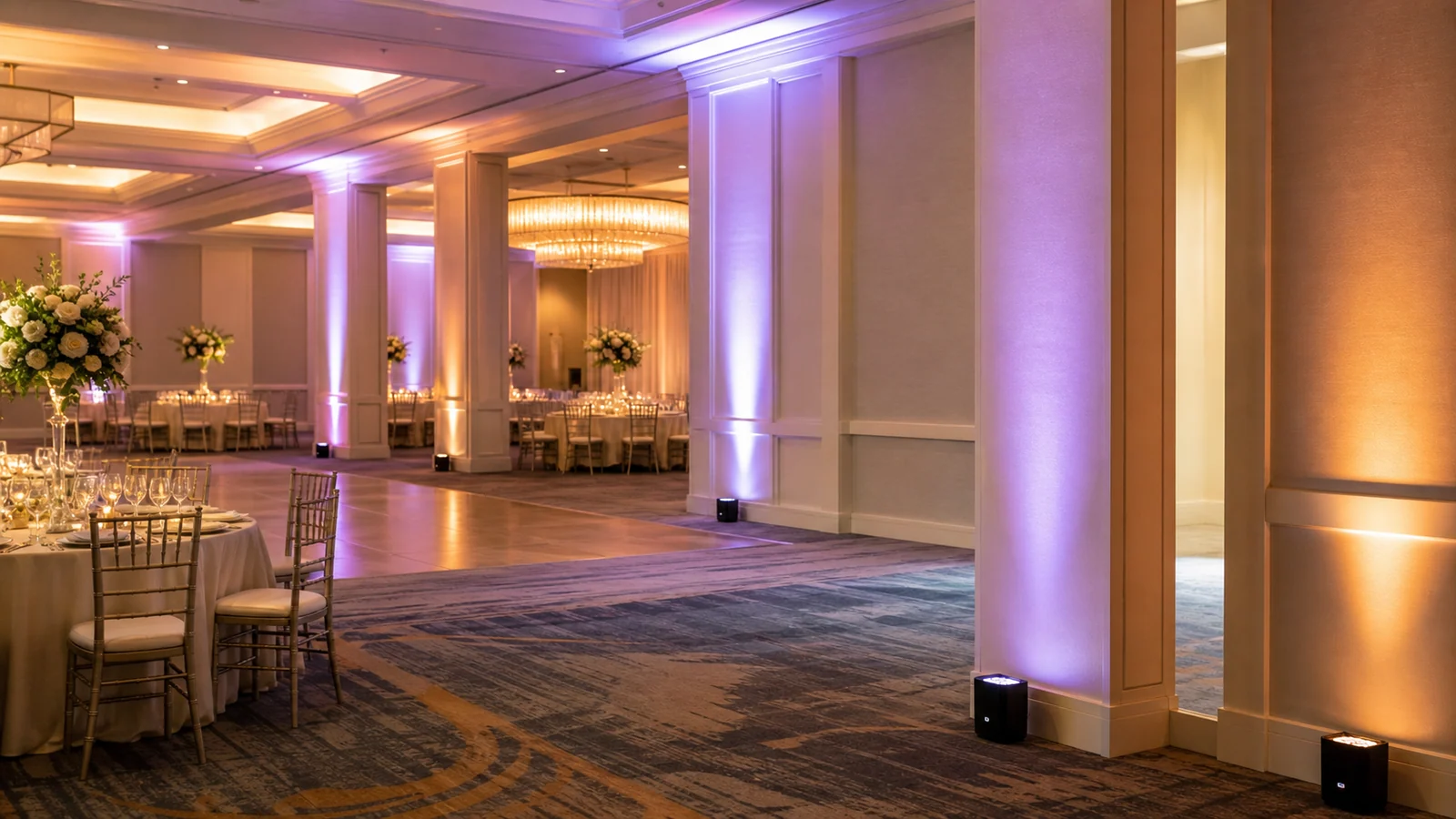
Start with the application: wall wash, room ambience, stage color, architectural accents, or temporary outdoor work. Then compare verified output, beam shape, color system, dimming, control, enclosure, dimensions, and transport needs for the exact fixture. A sample evaluation should use representative surfaces and ambient light, with agreed acceptance checks before a larger order.
Understanding Runtime, Charging and Wireless Control
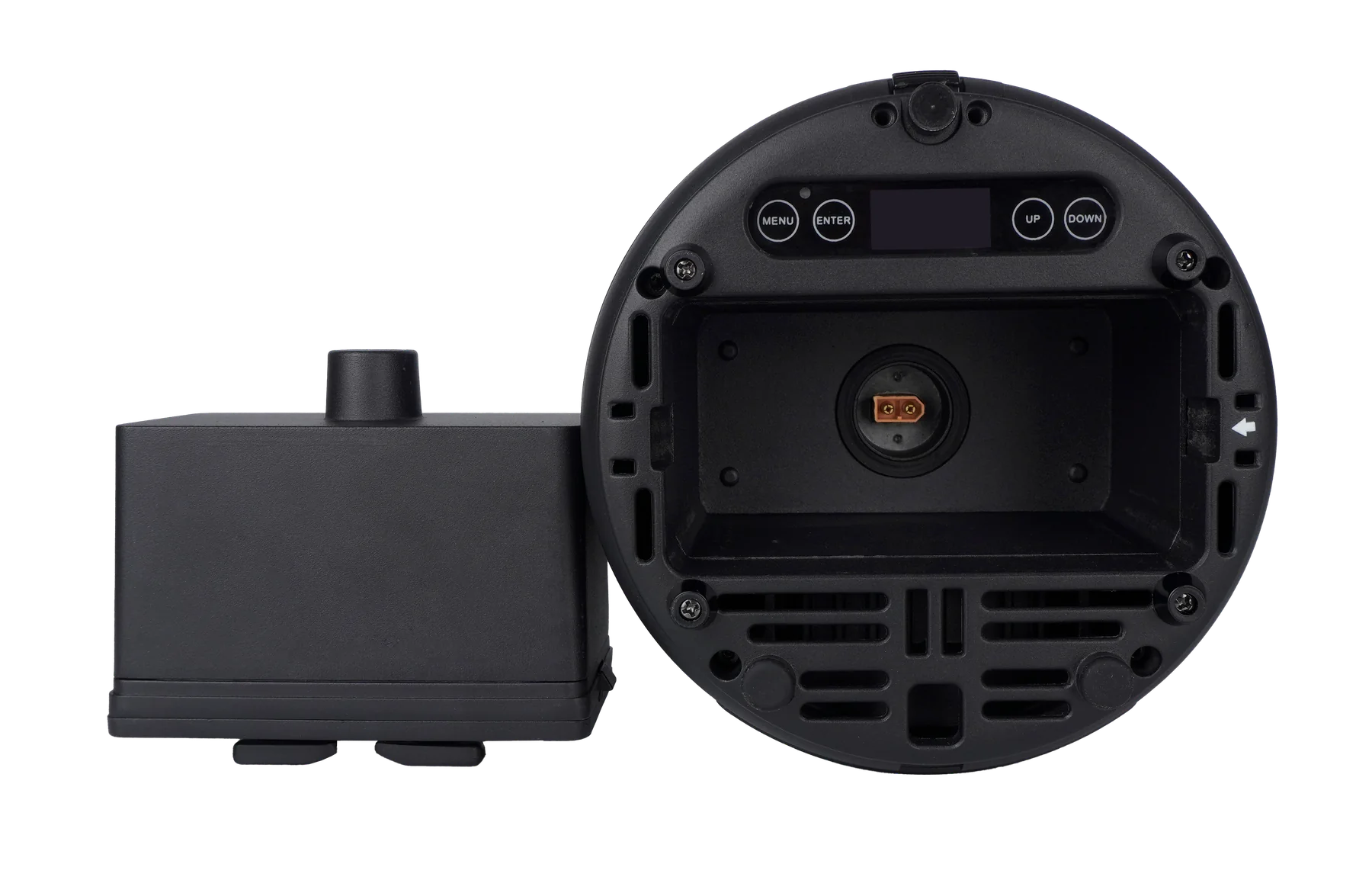
Runtime has meaning only when LED channels, output level, effects, temperature, battery condition, and end point are stated. Charging time is one part of the workflow; circuits, case capacity, cable access, turnaround, and storage matter as well. For wireless control, confirm the protocol, transmitter, DMX modes, practical signal path, zoning, and a fallback method for the exact model.
Planning Battery Lighting for Events and Temporary Installations
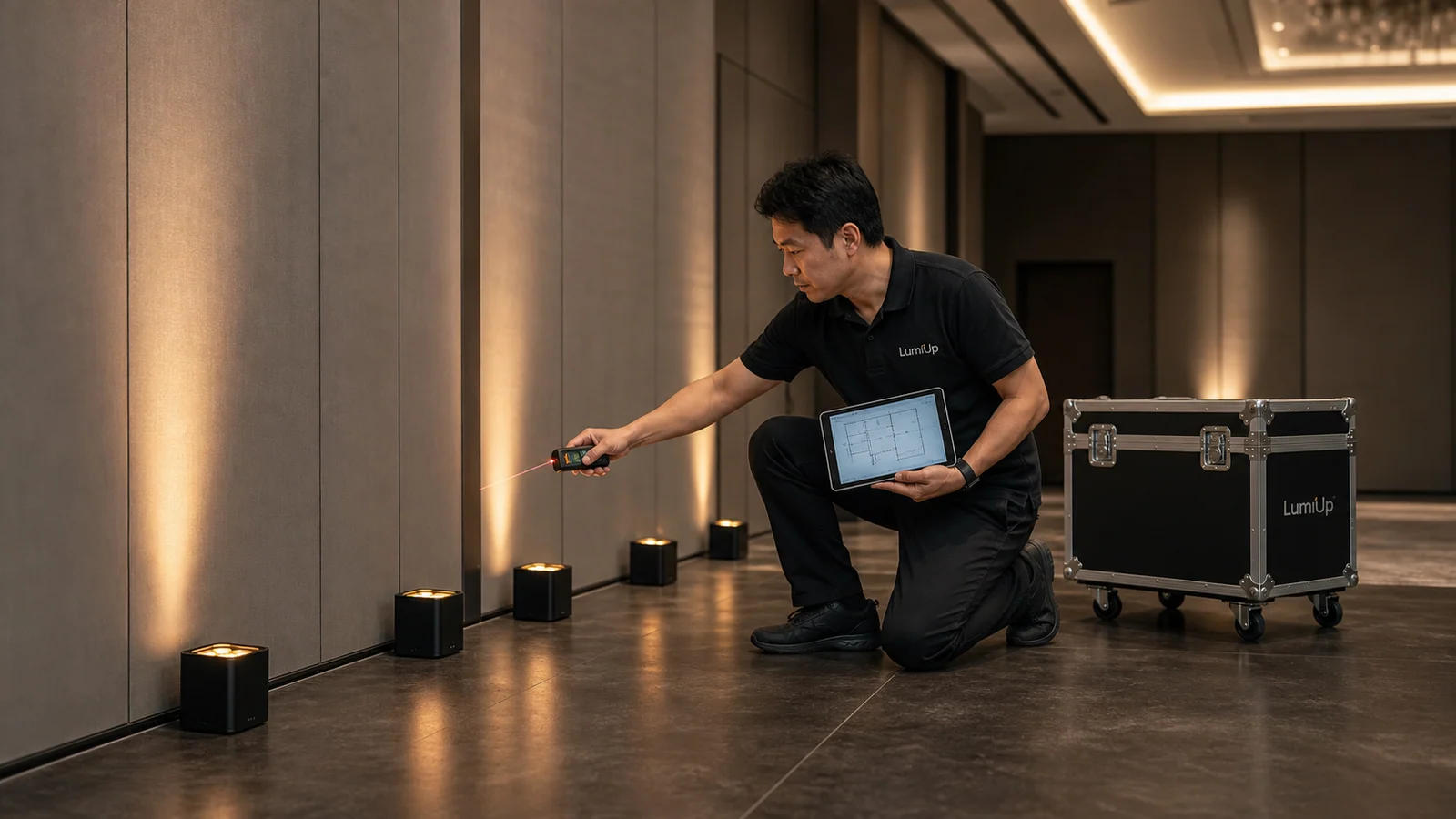
Estimate quantity from illuminated perimeter, fixture spacing, wall height, throw distance, beam angle, surface color, and the intended visual rhythm. Add operational spares and map charging, transport, setup, addressing, and recovery after the event. Outdoor plans also require location-specific weather controls and careful interpretation of IP ratings, connectors, and charging restrictions.
Application support
Need Help Planning a Battery Lighting Setup?
Tell us about the venue, fixture quantity, required runtime, control method and application. We’ll help identify the most suitable available configuration.

 Editorial illustration