
Choosing white vs black battery uplights means choosing the fixture’s physical housing, not the color of the beam. For wedding-lighting teams, event producers, rental companies and hotels, that finish affects how equipment fits the scenery and how a fleet is prepared, cleaned and dispatched.
Quick Answer
Choose white battery uplights when the fixture needs to blend into white walls, columns, flooring or wedding décor. Choose black housings for dark stages, black drape and general-purpose production environments. Removable covers add flexibility only when they are designed for the exact fixture and do not obstruct optics, cooling, controls, connectors, mounting or wireless operation.
The best housing color is determined by the background where the fixture is visible—especially when the light is switched off and the venue’s house lights are on.
Key Takeaways
- Match the housing to the visible background and guest sightlines.
- White housings do not inherently produce better white light.
- Evaluate finishes with fixtures off and house lights on.
- Treat every removable cover as a model-specific accessory.
- Plan matching spares, labels and case positions for each finish.
White vs Black Battery Uplights at a Glance
Swipe horizontally to compare all three columns.
| Choice | Background fit | Operating consideration |
|---|---|---|
| White housing | White walls, pale columns and light décor | Inspect visible marks and keep matching spares |
| Black housing | Dark stages, black drape and dark equipment areas | Check contrast against pale floors and walls |
| Removable cover | Changes the visible exterior where compatible | Verify exact fit, access, cooling and operating configuration |
Use this comparison to shortlist a finish. The final choice depends on the actual placement, including the base, bracket and any visible connector area.
What Housing Color Changes—and What It Does Not
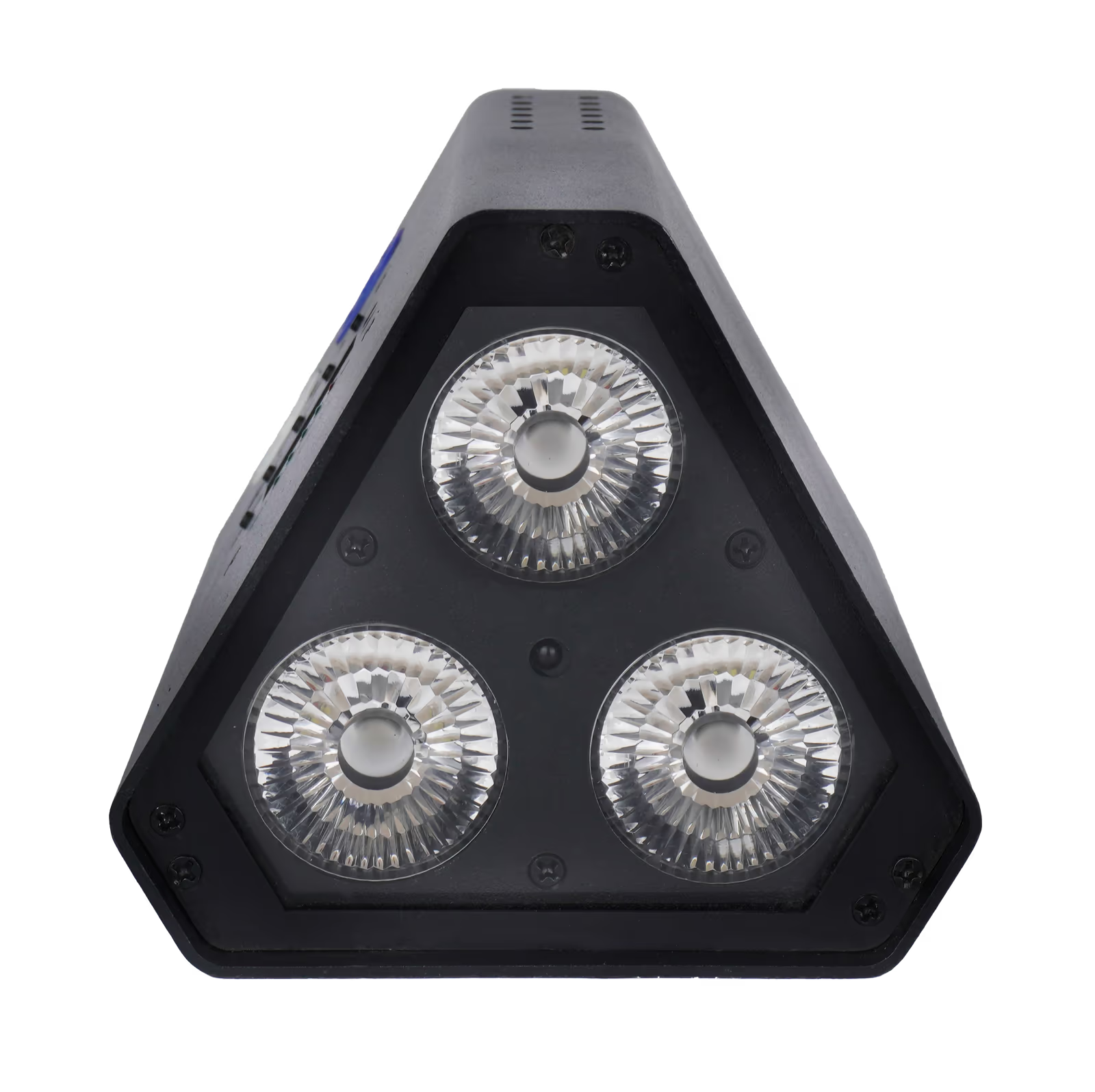
Battery uplight housing colors are a scenery-integration and fleet-management choice. They describe the exterior the audience sees. The light engine, optics and control configuration need a separate assessment against the lighting brief.
A white enclosure does not by itself improve emitted white light, correlated color temperature (CCT), color rendering index (CRI) or color accuracy. Compare the exact model’s documented light engine and evaluate its output on the intended surfaces. A photograph of a white fixture producing amber light illustrates two separate choices: enclosure finish and programmed light color.
Neither finish alone establishes runtime, light output or thermal performance. Keep those requirements tied to the documented fixture configuration and operating conditions. Confirm whether the proposed black and white versions share the same specification rather than using their similar appearance as proof.
When Does a White Housing Make More Sense?
A white housing makes sense when guests see the fixture against pale architecture or décor. White battery uplights for weddings can suit white columns, light wall bases and pale ceremony structures, provided the complete fixture looks appropriate from the actual viewing positions. The venue background determines the benefit.
Walk the aisle and inspect the room from seated eye level. A fixture beside a column may blend from the entrance yet remain prominent from a side table. Compare the visible bracket, feet, handle and control area as well as the largest housing surface.
White paintwork, cream fabric and warm stone are different backgrounds. A bright white fixture may still contrast with them. Check a physical sample under the venue’s house lights, and agree how noticeable equipment can be before guests arrive and during the event.
When Is a Black Housing the Better Choice?
A black housing is a practical choice where the fixture sits against black drape, a dark stage or other dark production equipment. Black battery uplights can also suit wedding venues with dark timber, exposed brick or black scenic structures. Check each position rather than applying one finish to the whole room.
For a mobile production team, review the backgrounds encountered across repeat jobs. A fleet serving mostly dark staging may justify a different starting mix from one serving pale ballrooms. This is an inventory decision based on the work booked, not a universal rule about event type.
Black is not maintenance-free. Assess visible dust, scuffs and handling marks under working light. Appearance depends on the surface, use and cleaning method; do not select a finish on an unsupported promise that it always stays cleaner.
Factory White Housing vs Removable Uplight Covers
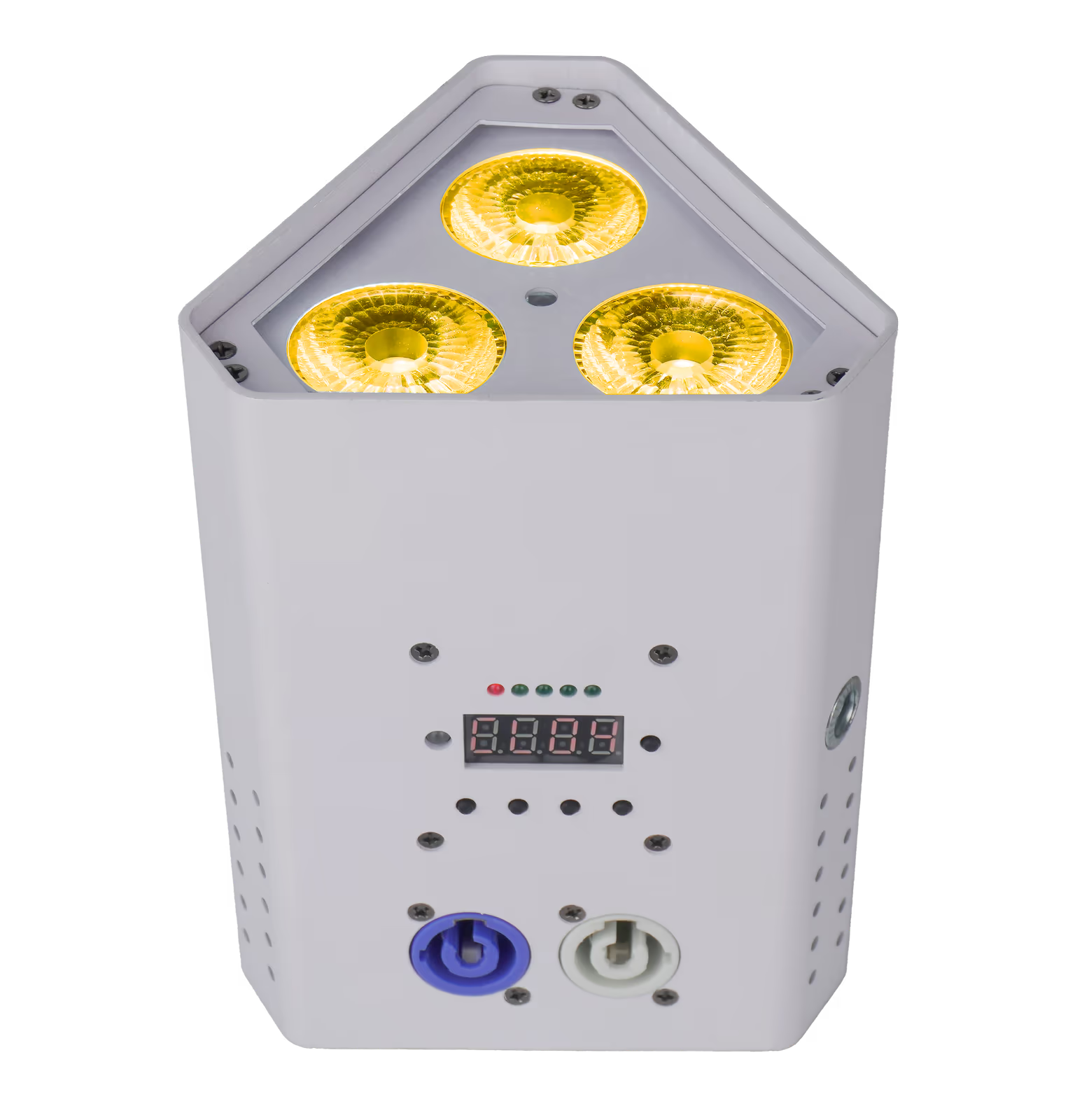
A factory-colored housing is part of the supplied fixture configuration. A removable cover is an additional item fitted around a specific fixture. They are not technically equivalent, even when their visible color looks similar from across a room.
Swipe horizontally to read both configuration columns.
| Check | Factory housing | Removable cover |
|---|---|---|
| Appearance | Assess the complete supplied finish | Inspect seams, edges and exposed base or bracket |
| Setup | No separate color accessory to fit | Allow fitting, inspection and removal steps |
| Cleaning | Follow the fixture’s cleaning instructions | Verify cleaning for both cover and fixture |
| Control access | Assess the supplied panel layout | Check display, buttons and access openings |
| Optics | Assess the supplied optical assembly | Verify no lens obstruction or beam interception |
| Mounting | Follow the approved fixture arrangement | Check brackets, clearance, stability and attachment |
| Cooling verification | Follow the model’s operating instructions | Verify the assembled cover does not obstruct cooling |
| Wireless verification | Confirm the ordered control configuration | Verify operation with the cover fitted in intended orientations |
| IP/configuration verification | Use documentation for the exact configuration | Require evidence applicable to the covered assembly |
| Reversibility | A finish change requires manufacturer guidance | Remove only as intended; inspect the fixture afterward |
Do not treat a cover as a generic sleeve. Check ports, charging access, brackets and the fixture’s footprint in its working position. Confirm that attachment stays secure during the intended handling and that the covered assembly remains stable. An accessory that physically fits still needs operating verification.
The LumiUp Mini S3 product record lists black and white housing options. That model-specific option does not establish finish availability across the LumiUp product range. Request the exact housing configuration for the model being considered. Evaluate any proposed cover separately with its own compatibility documentation.
Choose the Background, Not the Event Label
Wedding venue uplighting may involve pale ceremony areas, dark reception stages and contrasting bar fronts within one booking. Treat these as separate placement decisions. A finish selected for one backdrop may become conspicuous when the fixture moves during a room change.
Use this three-step method during the site survey:
- Map visible backgrounds. Record the floor, wall, drape or structure behind each fixture from guest and camera positions.
- Inspect both finishes in place. Use the intended bracket position, switch the fixtures off and turn house lights on before comparing lit scenes.
- Match the operating plan. Confirm who handles room changes, where matching spares wait and how the selected configuration travels and charges.
Resolve coverage independently with the fixture quantity and spacing guide. A visually discreet enclosure cannot compensate for an unsuitable lighting position. Establish the required placement, then check how the housing looks there.
The Most Overlooked Test: Inspect the Fixture While It Is Off
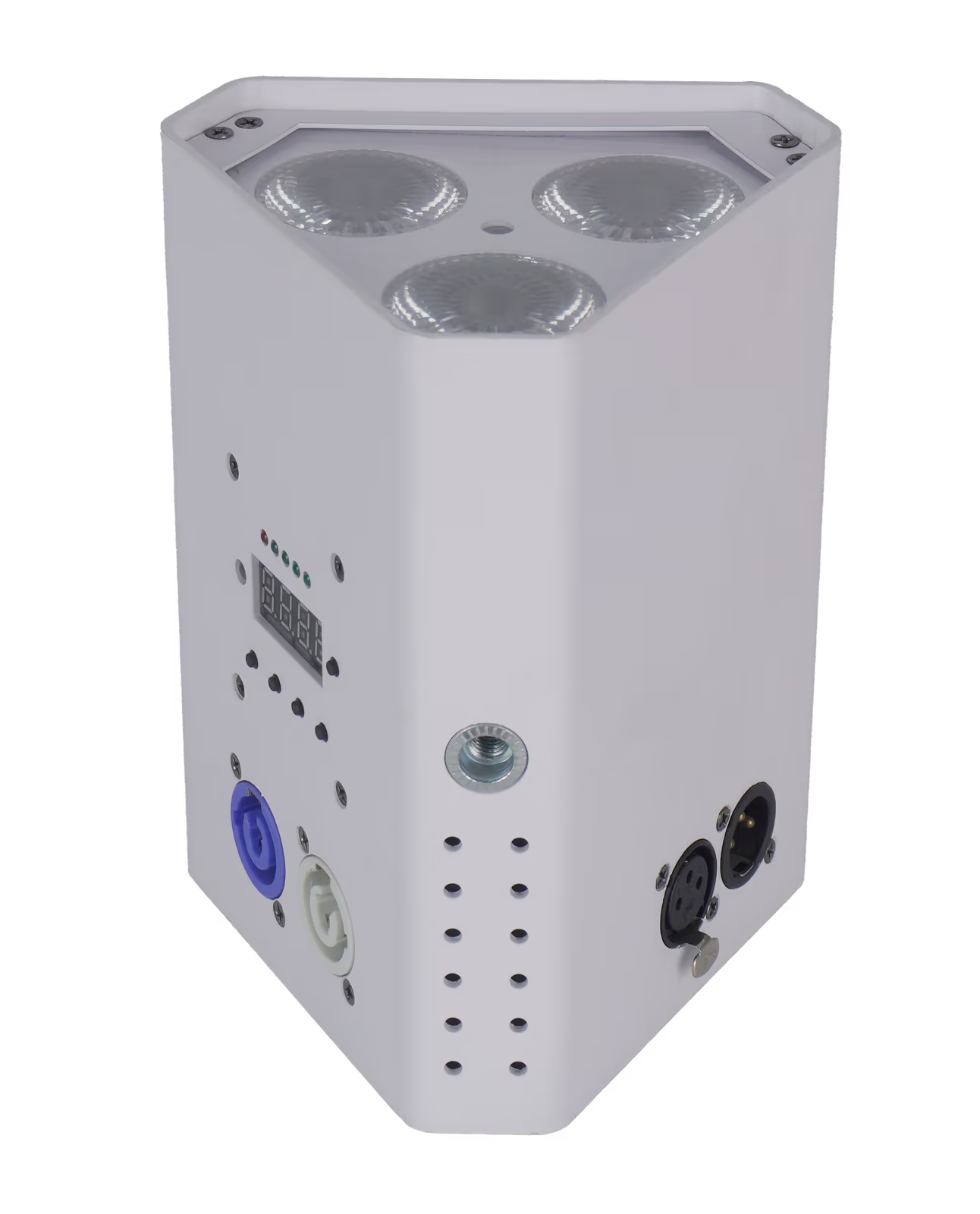
The off-state inspection reveals equipment visibility without the distraction of its own beam. It matters during guest arrival, breaks, daylight access and room resets. Full house lighting also helps the team see finish differences and marks that may be difficult to assess during a dark rehearsal.
Place a sample at the planned distance from the wall with the bracket at its working angle. View it from the entrance, tables and camera positions. Inspect from both sides, since a control panel or handle can change the visible outline. Include a close inspection and an ordinary guest-distance view.
Then run the intended lighting scene and check the same viewpoints again. Record the approved finish and configuration with reference photographs, while recognizing that a photograph does not replace the physical sample. Add this review to the event setup workflow before final placement and handover.
Fixed Venue or Mobile Rental Fleet?
A fixed venue can choose around recurring backgrounds and storage arrangements. A mobile fleet needs to balance different rooms, simultaneous bookings and return-to-stock work. The more varied the placements, the more useful a recorded finish requirement becomes on each job specification.
For a hotel or fixed venue, survey all rooms the equipment will serve. A pale ballroom may share stock with a dark lounge. If fixtures remain allocated to particular rooms, label that allocation and identify where a matching replacement is stored.
For rentals, include finish in quoting, picking and return inspection. Clean with the approved method and compare condition against the agreed presentation standard. If covers are part of a verified configuration, give them their own packing and return checks so they do not disappear from the kit between bookings.
How to Plan a Mixed White-and-Black Fleet

A mixed fleet needs separate finish counts, spare allocations, labels, case records and dispatch checks. Total fixture quantity alone is insufficient when several jobs require a particular appearance at the same time. Record model and finish together so staff can distinguish functional compatibility from visual suitability.
As an illustrative planning example, a rental team may allocate white units to pale ceremony columns and black units to a dark reception stage. The plan should reserve replacements for each group. This is a planning scenario, not a customer case or a suggested purchasing ratio.
A spare in the wrong finish can function correctly but may not be a visually equivalent replacement. Agree acceptable substitutions with the event team before dispatch. Do not leave the on-site technician to resolve that appearance decision after a fixture needs replacing.
Mark case positions and pick lists with model, finish and required accessories. Keep asset labels readable without placing them prominently on the guest-facing surface. After return, record condition and separate units needing attention. For verified covers, track availability and condition independently from the fixtures they fit.
What to Confirm Before Ordering a Housing Color
Ask for the exact model, housing finish and included visible parts in writing. Review a physical sample rather than relying on a color name or a photograph alone. The approved sample should represent the configuration intended for delivery, including its bracket and control arrangement.
Check these points with the supplier:
- Which parts are white or black, including brackets, handles, feet and rear panels?
- Do the finish variants have the same documented lighting and control configuration?
- What cleaning method and appearance acceptance criteria apply?
- How will cartons, cases, spare units and replacement exterior parts identify the finish?
- If a cover is proposed, what exact fixture and operating configuration does its compatibility evidence cover?
Use the manufacturer evaluation guide to connect these requests to sample review and order documentation. For outdoor placements, also review the IP65 and indoor fixture guide. Housing color and a decorative cover do not establish ingress protection; the applicable evidence must identify the configuration being used.
Frequently Asked Questions
Should wedding uplights be white or black?
Choose the finish against the visible background. White can suit pale walls and décor; black can suit dark drape, stages and timber. Inspect the complete fixture from guest positions with house lights on. Different areas of one wedding venue may call for different finishes.
Do white battery uplights produce better white light?
No. A white housing does not by itself improve emitted white light, CCT, CRI or color accuracy. Evaluate the exact fixture’s light engine, optics and documented configuration separately, then test the intended white-light settings on the surfaces the venue will use.
Are removable uplight covers the same as a white housing?
No. A factory white housing belongs to the supplied fixture configuration. A removable cover adds a separate component with its own fit, access, handling and operating checks. Similar appearance does not establish technical equivalence, and compatibility must be specific to the fixture.
Can a cover affect cooling, wireless DMX or an IP rating?
A cover can obstruct cooling paths or change wireless operating conditions. Verify the exact assembly for cooling, optics, ports, controls, mounting, stability and wireless operation. Do not carry an IP claim over automatically: use evidence covering the tested fixture configuration and the proposed accessory.
Should a rental company stock both white and black uplights?
Stock both when recurring venue requirements and simultaneous bookings justify separate finish allocations. Plan matching spares, labels, case positions and dispatch records. Review actual job requirements before choosing quantities, because an electrically compatible replacement in another finish may still be visually unsuitable.
How should housing color be tested before a bulk order?
Place representative samples against the intended backgrounds with fixtures off and house lights on. Inspect from guest and camera positions, then run the planned scenes. Record the accepted finish, visible parts and configuration, together with cleaning, accessory compatibility and matching-spare requirements for the order.
Conclusion: Match the Finish to the Application
Choose the enclosure around visible backgrounds and the team’s operating workflow. Keep light quality, protection and control requirements tied to the exact product configuration. Send LumiUp your venue backgrounds, placement photographs, model shortlist and finish needs to request a housing-configuration review. Include matching spares and any proposed accessories so the discussion covers the complete working kit.