
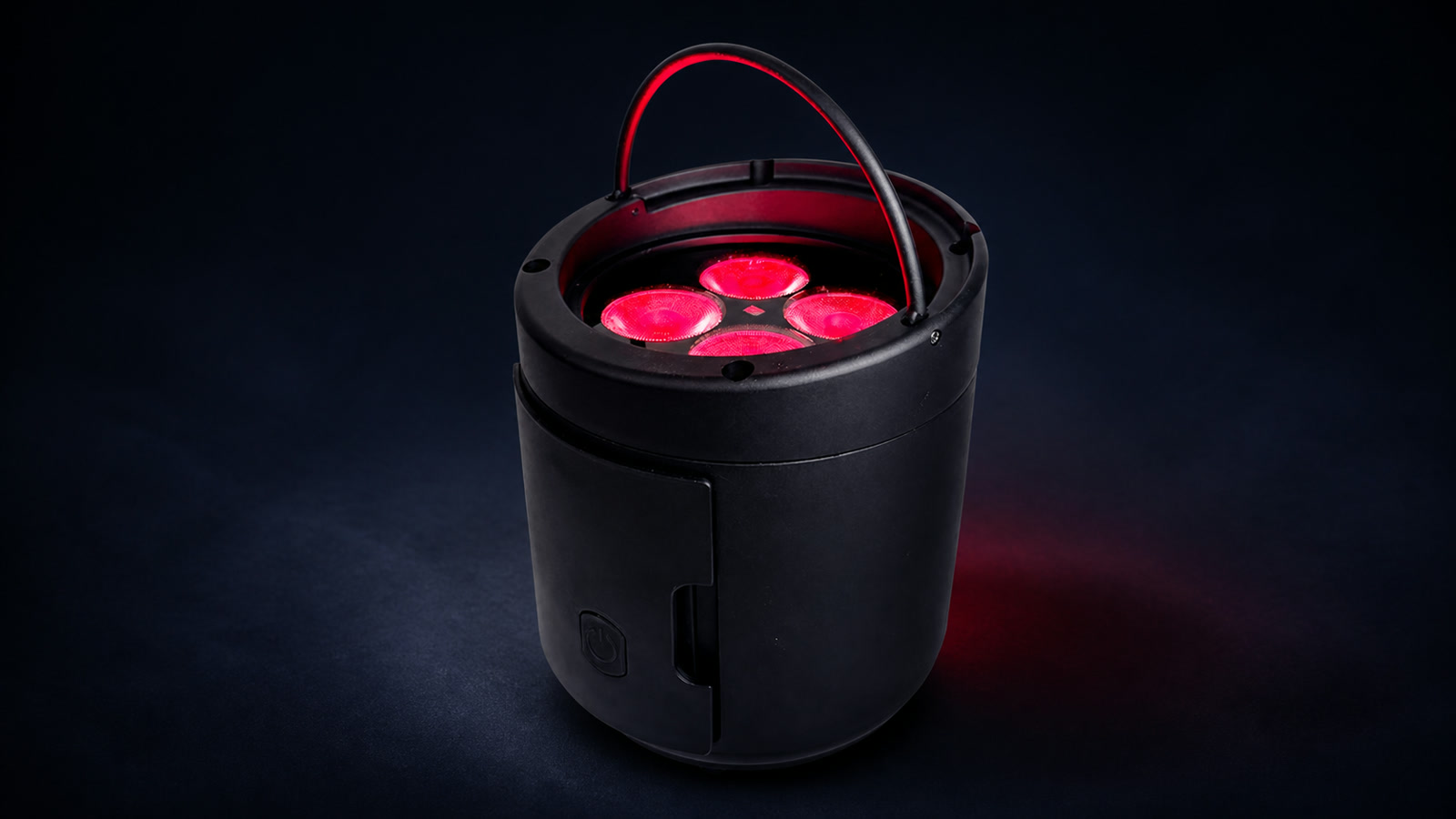
For a rental company, the useful question is not only how long a battery uplight runs. It is how quickly the fixture can return to the available pool after a job. The LumiUp Aqua P4RX removable battery uplight uses a latch-secured removable battery pack. Crews can release the latch and remove the pack without taking out screws or using a screwdriver, then reinstall it in the correct position and fully secure the latch. That changes charging from a fixture-level wait into a trackable fleet workflow.
Quick Answer
The Aqua P4RX uses a latch-secured removable battery pack. Crews can release the latch and remove the pack for separate charging without taking out screws or using a screwdriver. After reinstalling the pack in the correct position, make sure it is properly seated and fully secure the latch before returning the fixture to service. Pack replacement remains a powered-off, between-run procedure that still requires runtime testing and inspection.
What Is a Latch-Secured Removable Battery Uplight?
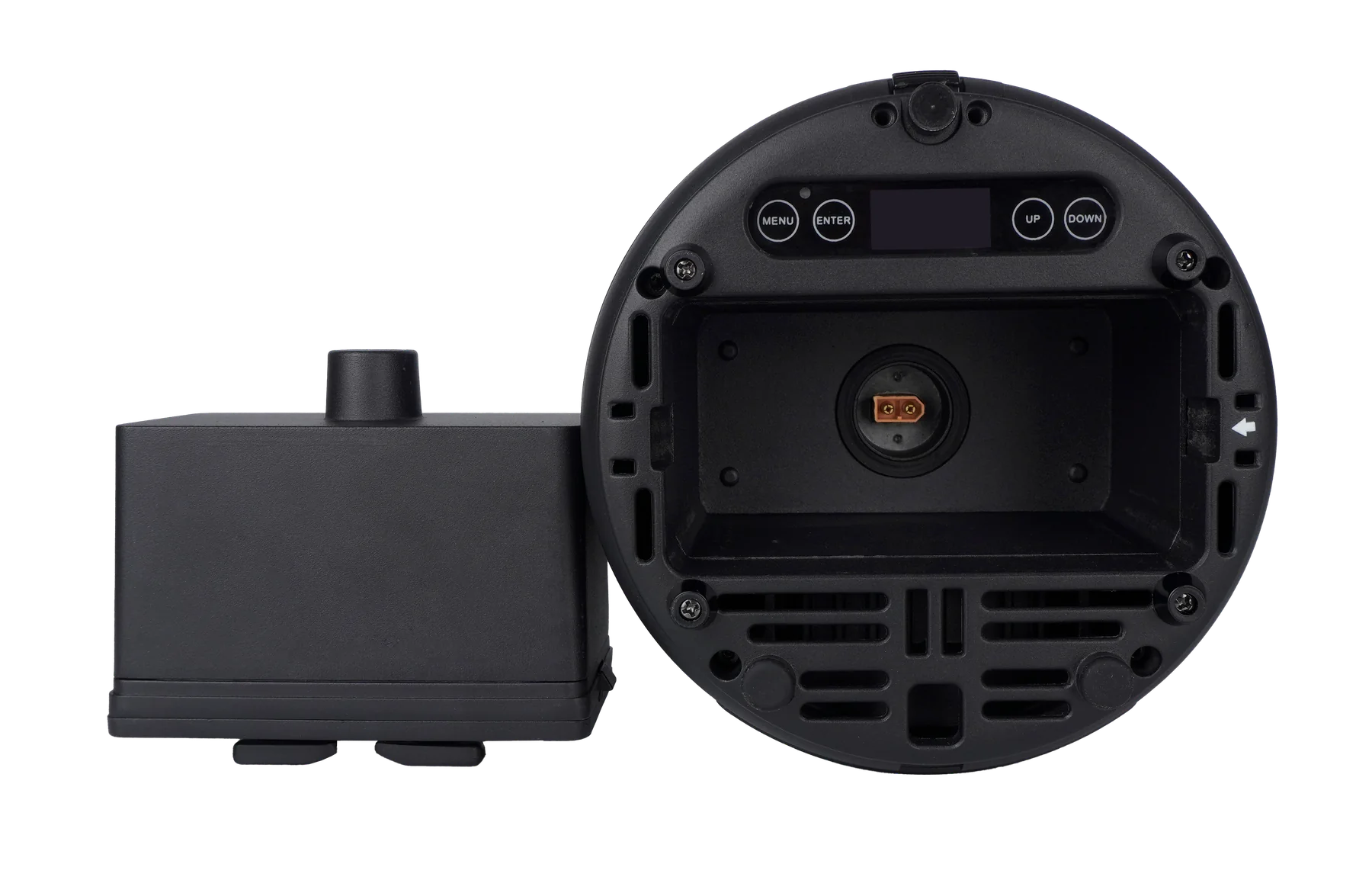
A latch-secured removable battery uplight holds its battery pack in a dedicated fixture bay. On the Aqua P4RX, the latch retains the pack during normal use and provides a tool-free release for routine pack removal.
This is different from two other battery arrangements:
- Integrated battery: The battery stays inside the fixture during normal charging and turnaround. Service may require a qualified technician.
- Removable battery: The approved pack can be released, taken to a separate charging position, and returned or exchanged according to the product procedure.
- Powered-off replacement: The Aqua P4RX pack exchange is performed with the fixture switched off between event runs; no in-operation exchange capability is published for this model.
The distinction matters. The latch is the normal battery-pack release system, not a general enclosure-service method. Crews should switch the fixture off and follow the approved operating sequence; the available P4RX information does not authorize changing the pack while the light is operating.
Why Tool-Free Pack Removal Matters to Rental Crews
A fixed-battery fixture often occupies its charging location until it has enough energy for the next dispatch. If the next event starts before charging finishes, the warehouse must hold the entire fixture or substitute another light. A separate pack changes that constraint.
The benefit is operational, not theatrical. A technician can keep the fixture in the inspection and preparation area while its removed pack moves to the charging area. A prepared pack can then be assigned to that fixture between runs. No hand tool needs to be issued, counted, or positioned beside the battery station for routine pack release.
Across a fleet, the saved steps are small but repeatable. The larger advantage is clearer status: the warehouse can distinguish fixture ready, pack charging, pack ready, pack quarantined, and fixture under inspection instead of treating every charging light as one indivisible item.
That does not automatically shorten charging time. It reduces how long a specific fixture must remain attached to the charging process. The actual turnaround still depends on verified charge time, charger availability, pack condition, inspection, and the number of prepared batteries in stock.
How the Aqua P4RX Battery Workflow Works
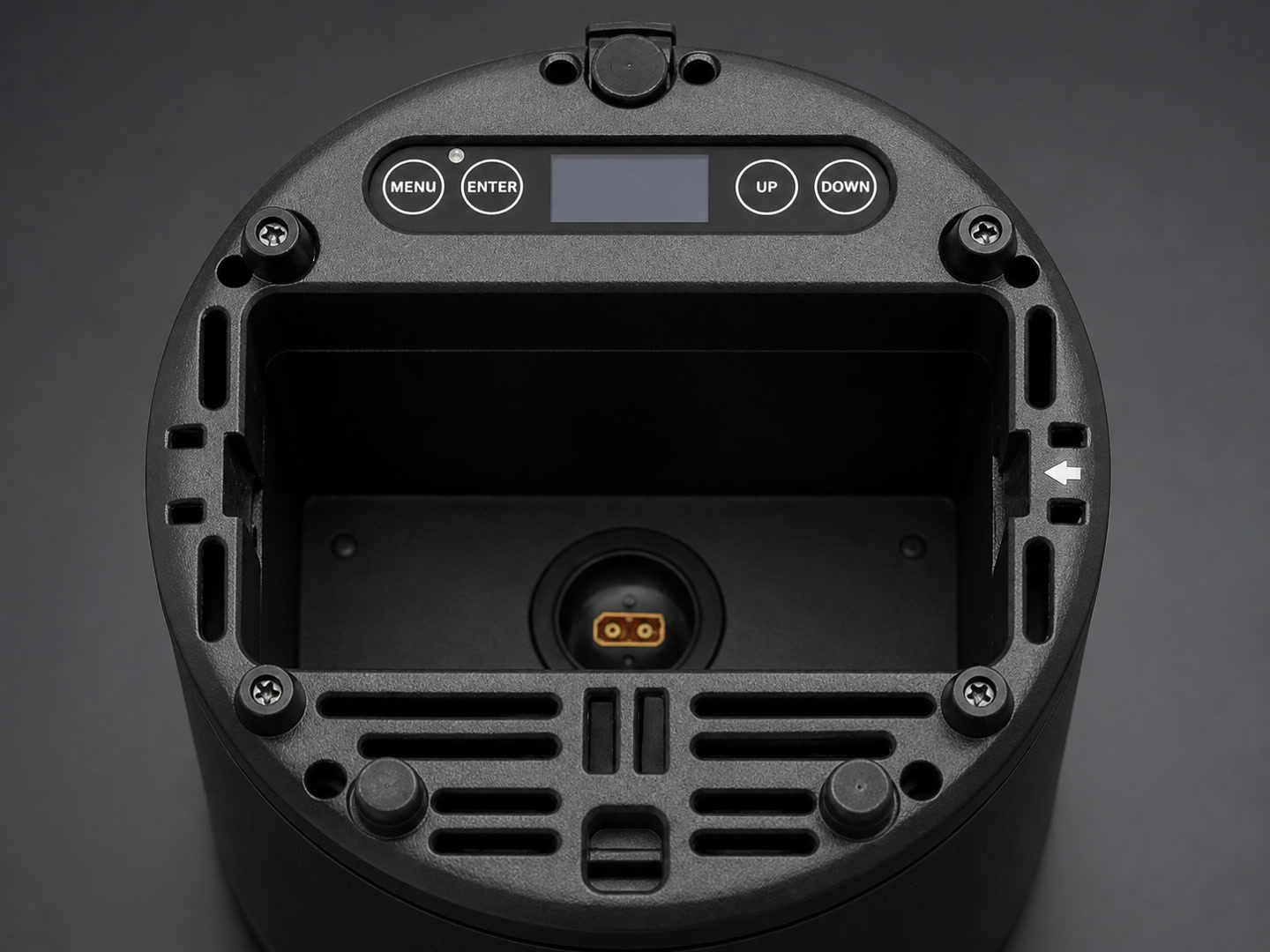
Use a documented sequence and adapt it to the final Aqua P4RX operating instructions supplied with the order. To remove the battery pack, switch the fixture off according to the operating instructions, release the battery-pack latch, and remove the pack. Insert the prepared replacement in the correct position, make sure it is properly seated, fully secure the latch, and confirm correct installation before returning the fixture to service.
- Check the fixture in. Record the unit ID, return time, reported faults, remaining charge indication, exposure conditions, and event notes.
- Inspect before handling the pack. Switch the fixture off. Look for impact damage, unusual heat, moisture, contamination, deformation, connector damage, or anything that requires quarantine.
- Release and remove the pack. Support the fixture and pack so neither can fall or twist, release the battery-pack latch, and remove the pack without taking out screws or using a screwdriver.
- Identify the pack. Keep the pack linked to an ID or maintenance record. Do not mix an untested return with prepared stock.
- Charge separately. Move the pack to its approved charger in the required environment. Record the charging position, start state, and any abnormal indication.
- Select a prepared replacement. Use only the approved P4RX pack that has passed the fleet’s charge and condition checks.
- Install and secure the pack. Insert the prepared pack in the correct position, make sure it is properly seated, and fully secure the latch.
- Return the fixture to service. Power up according to the instructions, confirm normal operation, update the pack-to-fixture record, and complete the final enclosure check.
This process creates two related service loops: fixtures move through check-in, inspection, test, and dispatch; packs move through identification, charging, test, ready stock, and reassignment. A rental-lighting fleet management system can track both without applying a universal spare-pack ratio.
Integrated vs. Removable Battery Uplights
Neither design is automatically better for every fleet. The choice depends on booking density, warehouse discipline, service model, and charging capacity.
Swipe horizontally to compare all columns.
| Decision area | Integrated-battery uplight | Removable-battery uplight |
|---|---|---|
| Charging method | Fixture normally remains at the charger | Approved pack can charge separately |
| Fixture availability | Fixture may be unavailable during charging | Fixture can be prepared with a tested replacement pack |
| Spare strategy | Spare fixtures often protect turnaround | Spare fixtures and spare packs can be planned separately |
| Maintenance records | Battery history may be tied mainly to the fixture | Pack ID and fixture ID both need traceable records |
| Post-rental inspection | Check fixture, charger, and battery behavior | Also inspect pack seating, latch security, and pack interface |
| Inventory complexity | Fewer independent items to track | More flexible, but every pack needs status and ownership control |
| Best fit | Predictable schedules, convenient fixture charging, simple inventory | Back-to-back runs, separate charging, service-focused rental fleets |
A removable design adds value only when the warehouse can keep pack status accurate. An unlabelled shelf of batteries creates uncertainty rather than availability.
Where the Aqua P4RX Fits
The LumiUp Aqua P4RX is a round IP65 battery PAR built around four 20W RGBWA+UV 6-in-1 LEDs and a latch-secured removable battery pack. That combination fits rental operations that need color-mixing capability, a weather-resistant fixture enclosure, and a more flexible charging workflow.
Typical uses include outdoor weddings, hospitality events, mobile stages, temporary architectural uplighting, and mixed indoor/outdoor rental packages. The IP65 designation belongs to the correctly assembled fixture configuration, not to an exposed battery bay or an automatically protected charging setup.
Buyers comparing this replaceable battery LED PAR with other formats can start with the battery-powered LED PAR collection. Keep model boundaries clear: Aqua P4RX and Aqua P4X are different products, so P4X capacity, runtime, charging, optics, control, or other specifications should not be transferred to P4RX.
Fleet Planning Worksheet
Complete this worksheet with measured P4RX fleet data. Do not copy a spare-pack percentage from another fleet; use event tests and the actual turnaround pattern.
Use the fixture and charger turnaround calculation to test whether the proposed pack quantity and approved charging positions can meet the next dispatch deadline.
| Planning field | Your measured value | Evidence or action |
|---|---|---|
| Fixture quantity | Enter count | Map active, spare, and service units |
| Battery-pack quantity | Enter count | Separate installed, ready, charging, and quarantined packs |
| Tested runtime | Enter result by scene | Record brightness, colors, control state, temperature, and end point |
| Charging test result | Enter measured result | Use the exact pack and charger configuration |
| Simultaneous charging capacity | Enter count | Confirm charger positions and electrical capacity |
| Event duration | Enter full operating window | Include setup, guest time, delays, and shutdown |
| Turnaround window | Enter hours | Include return, inspection, charging, testing, and load-out |
| Operational reserve | Enter tested margin | Set by event criticality and measured fleet variation |
Use the battery runtime and care guide to define a repeatable test. Pack exchange can improve fixture availability between runs, but it cannot make an untested runtime plan safe.
IP65 Checks After Battery Replacement
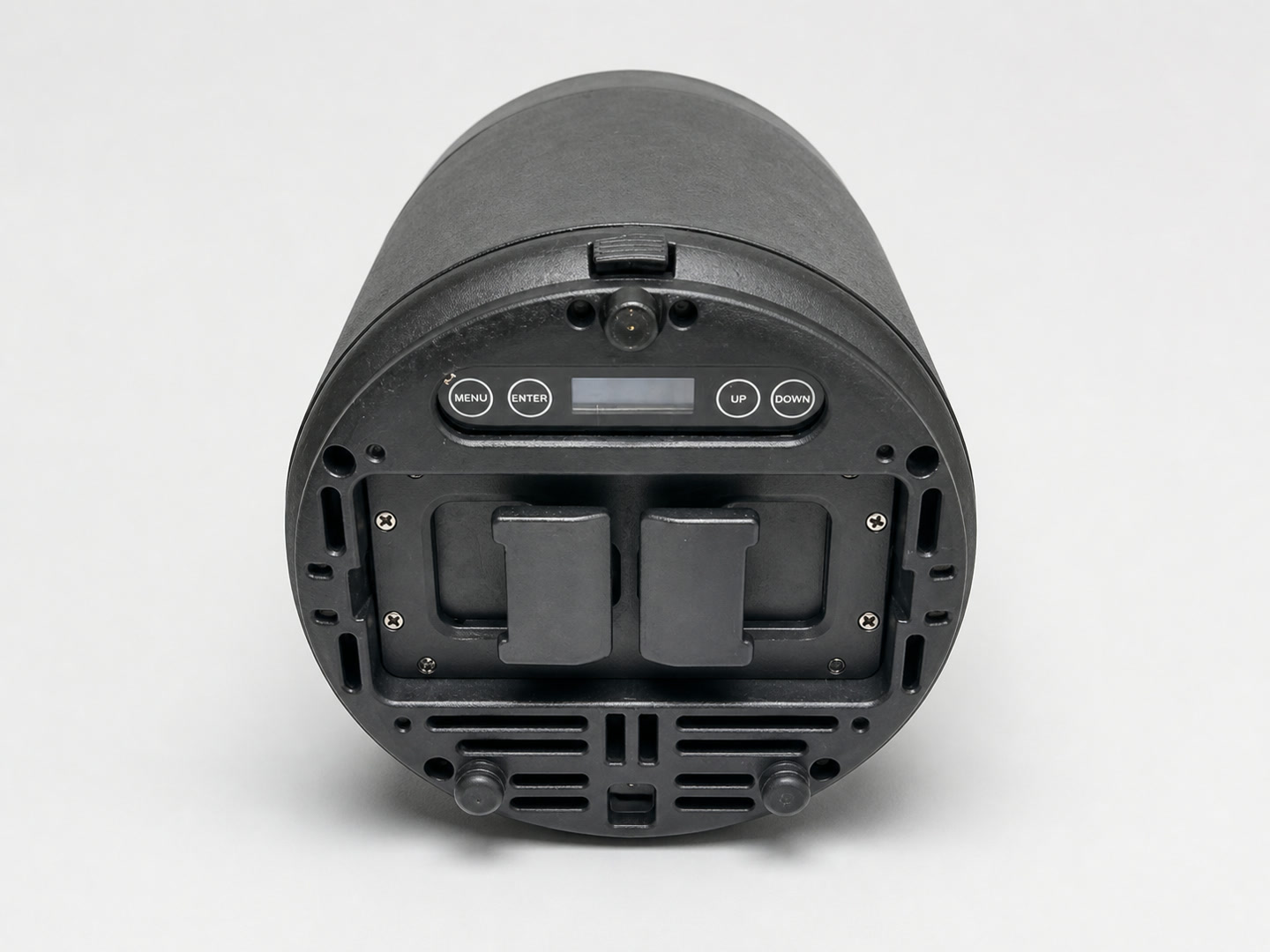
IP65 applies only when the fixture is assembled in the required operating condition. An open battery bay is a service state, not a weather-ready state.
After installing a pack, crews should confirm:
- The pack is the approved type and is oriented correctly.
- The pack sits fully and evenly in its bay.
- The battery pack is properly seated and the latch is fully secured.
- The bay edge, interface, and any sealing locations specified by LumiUp are clean and undamaged.
- No cable, label, debris, or foreign material interferes with seating.
- The housing shows no cracks, deformation, loose parts, or impact damage.
- The fixture passes its power-on and function check before dispatch.
If the fixture returned from a wet or dirty job, clean and dry it according to the product instructions before opening the battery area or charging. The IP65 vs. indoor battery uplight guide explains why connector state, covers, inspection, and charging conditions remain separate from the fixture’s published rating.
When a Removable Battery May Not Be Necessary
A removable pack may add little value to a permanent or long-term position with stable mains power. It may also be unnecessary when a rental business has generous time between jobs, enough complete spare fixtures, and a simple charging process that already meets dispatch needs.
The design can become a management burden when packs are not numbered, charged with controlled equipment, inspected, or matched to maintenance records. Fleets that cannot maintain approved spare stock may prefer integrated units or a wired solution for sustained operation.
Choose the system around the schedule. For very long events, a planned mains-powered position or a fixture with verified runtime for the complete window may be more appropriate than relying on pack changes.
Rental Buyer’s Checklist
Before adding a battery uplight with removable battery to a fleet, confirm:
- The exact pack part number and approved replacement procedure
- Latch operation and pack retention after repeated handling
- Separate charger identity, status indication, ventilation, and electrical input
- Verified charging time and how many packs can charge together
- Runtime under the fleet’s real color, brightness, and control scene
- Pack and fixture identifiers for maintenance history
- Availability, lead time, warranty, transport, and storage rules for spare packs
- Inspection criteria for contacts, housing, pack seating, and sealing locations
- The required power-off sequence and post-installation function check
- The exact IP65 operating configuration and charging restrictions
Add fixture quantity, event duration, turnaround interval, environment, and proposed spare-pack stock to the enquiry. Those fields let the manufacturer review a real workflow instead of offering a generic battery claim.
Frequently Asked Questions
How do crews remove the Aqua P4RX battery pack?
Switch the fixture off according to the operating instructions, release the battery-pack latch, and remove the pack. No screw removal or screwdriver is required. Other service tasks should follow their qualified procedures.
How is the Aqua P4RX battery pack secured?
The pack is secured in a dedicated bay by a latch. Insert the pack in the correct position, make sure it is properly seated, fully secure the latch, and confirm correct installation before testing the light.
Can the battery pack be charged separately?
Yes. The Aqua P4RX product information confirms separate pack charging. Use only the approved P4RX charging equipment and follow the required environment, inspection, and charging sequence.
Can the battery pack be changed while the fixture is operating?
Treat replacement as a between-run maintenance task: switch the Aqua P4RX off and follow the approved procedure. Do not change the pack while the light is operating.
Does a removable pack eliminate runtime limits?
No. Every pack has a finite tested runtime and needs time to charge. Fixture availability depends on prepared pack inventory, charger capacity, event demand, inspection, and reserve planning.
Does the fixture remain IP65 while the pack is removed?
No. Do not treat an open battery bay as an IP65 operating condition. The rating applies to the correctly assembled fixture under its stated conditions.
How many spare packs should a rental company prepare?
There is no universal ratio. Base the quantity on tested runtime, verified charging time, simultaneous charger capacity, concurrent events, turnaround windows, pack condition, service stock, and the consequence of a missed dispatch.
What should crews inspect after reinstalling the pack?
Check pack identity and position, full seating, confirmation that the latch is fully secured, the specified interface or sealing locations, contamination, damage, and normal fixture operation. Record which pack was installed and quarantine any abnormal unit.
Plan the Battery Workflow Before the Purchase Order
A latch-secured removable battery can reduce Aqua P4RX fixture downtime by separating pack charging from fixture preparation. The gain comes from disciplined exchange, inspection, charging, and recordkeeping—not from a claim of endless operation.
Send LumiUp the fixture quantity, complete event duration, turnaround interval, operating environment, simultaneous charging requirement, and proposed spare-pack need. Contact LumiUp for a P4RX fleet review or request a quotation with the model preselected.